
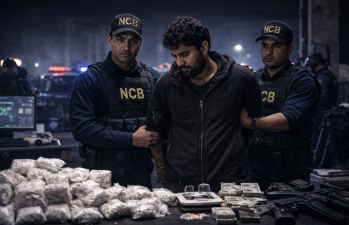
The Narcotics Control Bureau (NCB) recently celebrated its 41st Raising Day. This event brought into light more than 40 years of efforts to fight drug trafficking and substance abuse in India. Across the country, youth mobilisation programmes were held in about 40 cities. These included Delhi, Lucknow, Jodhpur, Raipur, Chandigarh, Ahmedabad, Mumbai, Ranchi, Bangalore, Chennai and Agartala. The activities aimed to promote a drug-free India by engaging young people directly.
Nationwide Awareness and Youth Engagement
The NCB organised rallies, heritage walks and anti-drug pledge drives. These events focused on educating the public about the dangers of drug abuse. Youth participation was central to the programmes. Awareness addresses discussed the health, social and legal impacts of drugs. The goal was to encourage a lifestyle free from substance abuse.
Preventive Strategies and Early Intervention
The campaigns brought into light early warning signs of drug addiction. They stressed the importance of prevention and timely intervention. Information on recovery options and support systems was shared. Institutional partnerships were strengthened to improve outreach and effectiveness.
Health and Social Consequences of Drug Abuse
Drug abuse affects physical and mental health. It can lead to psychological disorders and social isolation. Legal consequences include penalties and imprisonment. The NCB’s initiatives aim to reduce these harms through education and enforcement.
Strengthening Institutional Collaboration
The NCB works with various agencies to combat drug trafficking. Coordination with law enforcement, health services and community groups is vital. This multi-sectoral approach enhances the impact of anti-drug measures.
Topics for Prelims:
Narcotics Control Bureau (NCB)
- Established to combat drug trafficking and substance abuse in India.
- Celebrated its 41st Raising Day in 2026.
- Organises nationwide awareness and prevention programmes.
- Engages youth through rallies, pledges and heritage walks.
- Coordinates with multiple institutions for effective enforcement.
Drug Abuse and Prevention
- Drug abuse impacts health, psychology and social life.
- Early warning signs help in timely intervention.
- Prevention includes education and community engagement.
- Recovery pathways involve medical and psychological support.
- Legal framework penalises drug trafficking and consumption.
Youth Mobilisation for a Drug-Free India
- Focuses on engaging young people in anti-drug campaigns.
- Includes pledges, rallies and awareness addresses.
- Promotes healthy lifestyle choices.
- Uses heritage walks to connect culture with drug prevention.
- Strengthens community participation in drug control efforts.
Questions for Mains:
- Discuss the role of youth mobilisation in combating drug abuse in India, and critically examine the challenges faced by the Narcotics Control Bureau in implementing these programmes. [GS-II-Governance]
- Explain the health, social and legal consequences of drug abuse, and discuss the effectiveness of preventive strategies adopted by government agencies. [GS-III-Internal & External Security]
- With suitable examples, discuss the importance of multi-sectoral institutional collaboration in addressing drug trafficking and substance abuse in India. [GS-II-Constitution of India & Polity]
- Comment on the role of public awareness campaigns in reducing substance abuse, and critically examine their impact on youth behaviour and societal norms. [GS-I-Indian Society]
Answer Hints:
1. Discuss the role of youth mobilisation in combating drug abuse in India, and critically examine the challenges faced by the Narcotics Control Bureau in implementing these programmes. [GS-II-Governance]
- Youth mobilisation creates awareness and encourages peer influence against drug abuse through rallies, pledges and cultural events.
- Engaging youth directly helps inculcate healthy lifestyle choices and builds community resilience.
- NCB organises nationwide programmes in multiple cities, leveraging schools, colleges and youth organisations.
- Challenges include varied socio-economic backgrounds, stigma around addiction, and limited outreach in remote areas.
- Resource constraints, coordination difficulties with local agencies, and evolving drug trends hamper programme effectiveness.
- Need for sustained engagement, monitoring impact, and integrating modern communication tools for better reach.
2. Explain the health, social and legal consequences of drug abuse, and discuss the effectiveness of preventive strategies adopted by government agencies. [GS-III-Internal & External Security]
- Drug abuse leads to physical ailments, mental health disorders, and psychological dependency.
- Social consequences include family breakdown, social isolation, unemployment and crime.
- Legal consequences involve penalties, imprisonment, and criminal records under Narcotic laws.
- Preventive strategies include awareness campaigns, early identification of warning signs, and community engagement.
- Government agencies focus on education, rehabilitation support, and strict enforcement against trafficking.
- Effectiveness varies; challenges remain in reaching vulnerable populations and ensuring rehabilitation access.
3. With suitable examples, discuss the importance of multi-sectoral institutional collaboration in addressing drug trafficking and substance abuse in India. [GS-II-Constitution of India & Polity]
- Combating drug abuse requires coordination among law enforcement, health services, education, and community groups.
- NCB collaborates with police, customs, health departments, NGOs and educational institutions for holistic action.
- Example – Joint operations to intercept drug trafficking combined with awareness drives in schools.
- Multi-sectoral approach improves intelligence sharing, prevention, treatment, and rehabilitation.
- Institutional collaboration enhances policy formulation and resource optimisation.
- Challenges include bureaucratic delays and need for clear communication channels among agencies.
4. Comment on the role of public awareness campaigns in reducing substance abuse, and critically examine their impact on youth behaviour and societal norms. [GS-I-Indian Society]
- Public campaigns educate on health, social and legal harms of drug abuse, promoting informed choices.
- Use of rallies, heritage walks, pledges creates community involvement and youth engagement.
- Campaigns help destigmatise addiction and encourage early intervention and support-seeking.
- Impact on youth includes increased awareness but behaviour change may be limited by peer pressure and social environment.
- Societal norms shift gradually; campaigns need sustained efforts and culturally sensitive messaging.
- Effectiveness depends on reach, frequency, and integration with school and community programmes.