
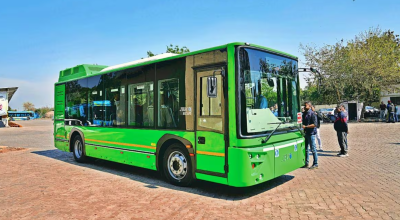
On 7 June 2026, the Delhi government announced the induction of 2,800 air-conditioned low-floor electric buses under the Central Government’s PM E-DRIVE scheme. This initiative aims to strengthen the public transport grid, aiming for a total of 7,500 electric buses by the end of 2026, and 14,000 total buses by 2028-29.
Fleet Strategy and Deployment
- 1,400 Nine-Metre Midi Buses: Designed for high maneuverability in narrow roads, feeder services, and residential/rural pockets.
- 1,400 Twelve-Metre Standard Buses: High-capacity units deployed on primary high-demand trunk routes.
- Infrastructure: Integration involves grid augmentation at transport depots, featuring fast-charging bays and automated battery diagnostic tools.
PM E-DRIVE Scheme Overview
Administered by the Ministry of Heavy Industries, the scheme replaces the FAME framework with a financial outlay of ₹10,900 crore.
- E-Buses: ₹4,391 crore for 14,028 buses.
- Charging Infrastructure: ₹2,000 crore for over 72,000 charging points.
- Demand Incentives: ₹3,679 crore for e-2Ws, 3Ws, and commercial vehicles.
- Electric Ambulances: ₹500 crore for energy-efficient medical transit.
IASPOINT Booster Facts
- Target Cities: Scheme focuses on 9 metros with populations exceeding 40 lakh (e.g., Delhi, Mumbai, Bangalore, Pune).
- E-Voucher Mechanism: Uses an [Aadhaar Redacted]-authenticated platform for demand incentives to eliminate physical paperwork.
- Subsidy: Capped at ₹35,000 per kWh or a maximum of ₹35 lakh per standard bus.
- Certification: Vehicles must be certified by agencies like ARAI or ICAT to claim grants.