
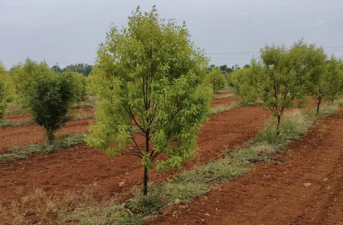
India’s sandalwood sector is drawing renewed attention after a farmer’s protest brought into light the tension between tree felling for infrastructure and the value of mature sandalwood plantations. The issue has also revived debate on cultivation policy, theft, transit rules, and the future of commercial sandalwood farming in the country. Demand for sandalwood remains strong in perfumes, traditional medicine, attars and cosmetics, while India continues to rely heavily on imports, especially from Australia.
Why Sandalwood Matters
Sandalwood is prized for its aromatic heartwood and oil content. Indian sandalwood, or Santalum album, is considered one of the finest varieties. Its oil is used as a base in perfumes because it blends well without overpowering other fragrances. It is also used in Ayurveda and other indigenous medicine systems. Global demand is estimated at 5,000 to 6,000 tonnes annually.
Production, Trade and Demand
- Australia now leads global production, with India holding a smaller share.
- Karnataka Soaps and Detergents Limited needs 8,000 to 9,000 kg of sandalwood oil each year.
- Around 70% of this requirement is met through imports from Australia.
- KSDL sales have risen steadily, showing strong market demand.
- Its products are exported to nearly 26 countries.
Why Farmers Face Risk
- Sandalwood is a long-duration crop and may take nearly 20 years to mature.
- Farmers face theft, high security costs and uncertain returns.
- Illegal logging remains a major problem in India.
- Harvesting and transit require forest permissions, creating bureaucratic hurdles.
- Small farmers are reluctant to invest without insurance, research support and assured procurement.
Policy Questions and Future Scope
The sector needs better research on fast-growing varieties, improved protection against theft, and simpler harvesting procedures. Limited cultivation on farm boundaries may be more practical for small growers. At the same time, any relaxation of rules must balance farmer interests with forest protection and wildlife security.
Last Modified: April 28, 2026