
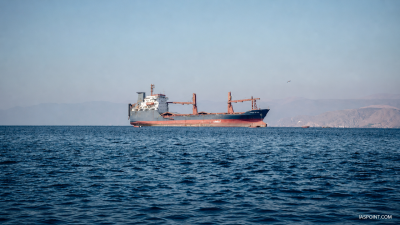
India launched the “Seafarer-First” emergency maritime safety plan on 14 July 2026 to protect Indian mariners in the Persian Gulf, the Strait of Hormuz and the Gulf of Oman. The plan follows missile attacks on MT Al Bahiyah and MT Mombasa that killed one Indian seafarer and injured ten others; 30 of the two ships’ 46 crew were Indian.
Current issue
- Trigger: Missile strikes on two merchant vessels in the Strait of Hormuz carrying 30 Indian crew prompted the plan.
- Response: Union Minister Sarbananda Sonowal launched the Seafarer-First plan to provide vessel-level tracking, family liaison, helpline support and coordinated embassy assistance.
- Institutional change: The maritime regulator is transitioning from the Directorate General of Shipping to the Directorate General of Maritime Administration under the Merchant Shipping Act, 2025.
Why this matters for governance and security
- Human security: India supplies a large share of the global seafarer workforce; casualties and injuries affect families, remittances and labour welfare.
- Economic impact: Attacks raise freight costs, war-risk premiums and may force route changes, affecting trade and energy security.
- Diplomacy and law: Civilian shipping attacks require diplomatic protest, coordination with host and coastal states, and strengthening of international legal protections.
Key features of the Seafarer-First plan
- Operational dashboard: A real-time, vessel-by-vessel dashboard to monitor every Indian seafarer in high-risk Middle Eastern waters, irrespective of ship flag.
- Family liaison and helpline: Designated liaison officers as single points of contact for families and a 24×7 helpline for seafarers and kin.
- Diplomatic coordination: Indian embassies in Iran, Oman and the UAE to provide updates and consular assistance; MEA summoned the Iranian Deputy Chief of Mission to protest the attacks.
- Pre-movement threat assessments: Mandatory fresh threat assessments before any ship movement through the affected region; obligations placed on shipowners, vessel managers and recruitment agencies.
Security and economic vulnerabilities in choke points
Threat profile
- Asymmetric attacks: Drones, missiles and small-boat attacks can strike merchant ships with little warning.
- Flag-of-convenience problem: Many Indian seafarers sail on foreign-flagged vessels, limiting direct regulatory control and complicating state responsibility during incidents.
Economic and operational consequences
- Insurance and costs: War-risk surcharges and higher premiums raise operating costs and freight rates.
- Supply-chain effects: Route diversions increase transit times and logistics costs, with knock-on effects on imports, especially energy supplies.
- Labour welfare: Injury, death and trauma impose economic hardship on families and may reduce the attractiveness of seafaring as a livelihood.
Technological integration for maritime domain awareness
- Data fusion: Combine AIS, LRIT, satellite imagery, shore-based radar and commercial maritime intelligence into the DGMA dashboard.
- Persistent tracking: Use satellite-based persistent monitoring to detect vessels that switch off AIS; integrate alerts with embassy consular lines and naval operations.
- Automated threat scoring: Implement rule-based algorithms to flag vessels and areas with elevated risk so that pre-movement assessments are evidence-based.
- Cyber resilience: Harden maritime IT systems and helplines against cyber-attack and ensure secure channels for crew communication.
Institutional and legislative reforms
- DGMA and regulatory reach: DGMA must clarify authority to track and assist Indian nationals on foreign-flagged ships and to enforce obligations on recruitment agencies and employers.
- Statutory obligations: Amend rules under the Merchant Shipping Act, 2025 to mandate mandatory hazard disclosure, war-risk insurance, hazard pay and repatriation guarantees for seafarers entering designated high-risk waters.
- International labour standards: Align domestic rules with the Maritime Labour Convention (MLC, 2006) to secure minimum standards for compensation, medical care and shore-side support.
- Accountability chain: Require shipowners and Manning Agents to document crew-informed consent for high-risk transits and to keep evidence for regulator audit.
Diplomatic and multilateral strategies
- Bilateral pressure: Use diplomatic protests and consular channels to seek accountability and assistance. India has already lodged a protest with Iran through its mission in New Delhi.
- Coalitions and naval cooperation: Coordinate with friendly navies and international escort arrangements for convoys or high-value transits; deepen information-sharing arrangements.
- Multilateral law and norms: Push for stronger international mechanisms to deter attacks on civilian shipping via forums such as IMO and the UN Security Council; India’s UNSC campaign under the SHANTI theme includes maritime security as part of its pitch.
Operational coordination and implementation challenges
- Inter-agency integration: DGMA, navy, coast guards, MEA and labour ministries must have predefined SOPs for incident response, casualty notification and family support.
- Private sector compliance: Enforcing compliance on foreign shipowners and manning agents requires diplomatic leverage, insurer pressure and port-state control actions.
- Resource constraints: Sustaining 24×7 monitoring and rapid-response capabilities requires funding, trained staff and secure communications channels.
Practical measures for immediate and medium-term action
- Immediate: Activate the dashboard, deploy liaison officers, enforce DGS Circular 21 advisories for shore leave, and ensure embassy consular readiness.
- Medium-term: Codify hazard pay and insurance mandates; operationalise DGMA authority; negotiate regional information-sharing pacts; upgrade maritime surveillance assets.
- Longer-term: Seek binding international protocols criminalising deliberate attacks on merchant crews and press for improved port-state enforcement to reduce risk from flagging practices.
Model Questions
1. Analyse the security and economic vulnerabilities faced by Indian seafarers in maritime choke points like the Strait of Hormuz, and assess the effectiveness of domestic regulatory measures such as the Seafarer-First plan. [GS-III: Internal & External Security]
India faces asymmetric threats (missiles, drones, small-boat attacks), high insurance costs and route disruptions that raise trade and energy risks. Vulnerabilities include large numbers of Indians on foreign-flagged ships and weak employer accountability. Seafarer-First improves tracking, family support and threat assessments, and DGMA gives stronger legal tools; gaps remain in naval escorts, private-sector enforcement and international legal deterrence.
2. Examine the diplomatic options available to India to protect its maritime workforce and interests in the Middle East while pursuing a non-permanent UNSC seat under the SHANTI theme. [GS-II: International Relations]
India can use bilateral protests, consular pressure and evacuation assistance; deepen maritime security cooperation with regional states and friendly navies; pursue multilateral norms via IMO and UNSC advocacy; and tie seafarer safety into its UNSC campaign to build coalitions for civilian maritime protection. Balance is needed between relations with rival regional actors and practical security arrangements.
3. How can technology be integrated to improve maritime domain awareness and crew safety in high-risk zones? Assess in the context of the Seafarer-First dashboard. [GS-III: Science & Technology]
Integrate AIS, LRIT, satellite imagery and commercial intelligence into a fused dashboard with automated threat scoring. Persistent satellite tracking helps when AIS is disabled. Secure communication links enable rapid consular and naval response. Measures must include cyber-security, data-sharing protocols with private managers and escalation SOPs for real-time rescue or diversion decisions.
4. What institutional and legislative reforms are required to safeguard the welfare and labour rights of Indian seafarers operating under foreign flags in conflict zones? [GS-II: Governance]
Clarify DGMA authority to assist nationals on foreign-flagged ships; mandate hazard disclosure, war-risk insurance, hazard pay and repatriation under Merchant Shipping Act, 2025 rules; enforce Manning Agent accountability; and align with the Maritime Labour Convention to guarantee medical care, compensation and shore-side support. Port-state control and insurer pressure should back compliance.
Last Modified: July 15, 2026