
India’s biodiversity framework, governed by the Biological Diversity Act, 2002 and amended in 2023, operates a decentralised three‑tier ABS system (NBA, SBBs, BMCs). Digital tools (People’s Biodiversity Registers; ABS e‑Filing Portal) and national plans align domestic policy with the Kunming‑Montreal Global Biodiversity Framework and the 30×30 target.
What is the current focus
India is strengthening statutory and digital mechanisms to regulate access to biological resources, ensure equitable benefit sharing, simplify compliance for domestic traditional medicine, and meet KMGBF targets. Implementation emphasis is on PBR completion, faster ABS approvals through e‑filing, and reconciling economic use with in‑situ conservation.
Why it matters
Governance: Decentralised institutions distribute authority and responsibility for resource management. Economy & livelihoods: Biological resources support food security, AYUSH industries, and rural income. Environment & security: India holds nearly 8% of recorded species on 2.4% of global land; species loss or corridor fragmentation has ecological and human‑security implications. International relations: Domestic compliance with CBD, Nagoya Protocol, and KMGBF affects trade, research collaboration and global conservation commitments.
Legal evolution and statutory architecture
- Biological Diversity Act, 2002: Established a decentralised legal framework for conservation, sustainable use and Access and Benefit Sharing (ABS).
- Biological Diversity (Amendment) Act, 2023: Introduced procedural simplifications, clarified exemptions for certain domestic uses, and facilitated trade in Normally Traded Commodities (NTCs).
Three‑tier governance — NBA, SBBs, BMCs
National Biodiversity Authority (NBA)
- Status and role: Statutory autonomous body headquartered in Chennai. Facilitates, regulates and advises the central government on conservation, sustainable utilisation and equitable benefit sharing.
- Regulatory reach: Prior approval from NBA required for non‑citizens and foreign entities seeking access to India’s biological resources or associated traditional knowledge.
State Biodiversity Boards (SBBs)
- Function: Advise state governments, regulate commercial bio‑surveys and bio‑utilisation by Indian entities, and guide conservation measures.
- 2023 amendment: Indian entities need not give prior intimation to SBBs for accessing cultivated medicinal plants, easing compliance for traditional medicine manufacturers.
Biodiversity Management Committees (BMCs)
- Local role: Constituted by local bodies (panchayat, municipality, district). Document local biodiversity, preserve crop varieties and livestock breeds, and protect traditional knowledge.
- Revenue & enforcement: Levy collection fees within territorial jurisdiction. Receive benefit flows from commercial utilisation routed through ABS mechanisms.
Access and Benefit Sharing (ABS): operation and impact
- Principle: Commercial users must share financial and non‑financial benefits with communities that maintain biodiversity and traditional knowledge.
- Operational tools: ABS e‑Filing Portal processes access applications, automates fee collection and calculates benefit obligations; approvals determine revenue share to the originating BMC.
- Exemptions: Registered AYUSH practitioners and local traditional medicine practitioners are exempt from prior permission and ABS for domestic commercial utilisation. NTCs declared under Section 40 are exempt from strict Act provisions to facilitate routine trade (e.g. basmati rice, spices).
International commitments and national alignment
- CBD and Nagoya Protocol: India ratified the CBD; domestic law implements Nagoya Protocol principles to regulate access and ensure benefit sharing.
- Kunming‑Montreal Global Biodiversity Framework (KMGBF): India updates its National Biodiversity Strategy and Action Plan (NBSAP) to align with KMGBF’s goals and targets, notably the 30×30 Target 3 to expand effectively conserved areas.
- International Big Cat Alliance (IBCA): India hosts IBCA headquarters, coordinating conservation efforts for seven big cat species across range countries.
Digital mechanisms and documentation
- People’s Biodiversity Registers (PBRs): Statutory records compiled by BMCs with technical support. They document species, uses and traditional knowledge. Over 2.77 lakh PBRs prepared across rural and urban local bodies; PBRs form the evidentiary base for ABS and anti‑bio‑piracy measures.
- ABS e‑Filing Portal: Centralised portal run by NBA for tracking applications, fee automation and benefit calculations. It shortens timelines for domestic industry while linking revenue to the source BMC.
Conservation measures: in‑situ and ex‑situ
| Category of Protected Area | Total Count | Core Objective |
| National Parks | 106 | No human grazing or private land rights; highest protection. |
| Wildlife Sanctuaries | 573 | Species‑oriented protection; limited traditional rights permitted. |
| Conservation Reserves | 115 | Buffer zones linking protected areas; government owned. |
| Community Reserves | 220 | Protected areas on private or community land with local consent. |
- Coverage: Protected areas cover approximately 5.28% of India’s geographical area.
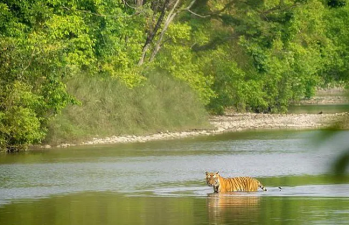
- Species recovery programmes: Project Tiger (55+ reserves; India hosts over 75% of global wild tigers), Project Elephant (33 reserves; corridor protection and conflict mitigation), Asiatic Lion conservation in Gir, and Rhino recovery in Kaziranga.
- Biodiversity Heritage Sites (BHS): States may notify BHS under Section 37; examples include Nallur Tamarind Grove, Mahendragiri Hill and Gandhamardan Hill.
- Ex‑situ facilities: Central Zoo Authority, National Gene Bank at NBPGR, and Rajiv Gandhi Centre for Biotechnology support species and genetic conservation outside natural habitats.
Policy challenges and operational gaps
- PBR completeness and quality: Coverage is substantial numerically, but many PBRs lack regular updates and standardised technical validation.
- Capacity and resources: BMCs and SBBs require sustained funding, technical support and legal awareness to enforce ABS and monitor benefit flows.
- Benefit realisation: Delays in ABS settlements and unclear benefit modalities reduce incentives for community conservation.
- Development pressures and climate stress: Infrastructure expansion, land‑use change and climate impacts fragment habitats and stress protected networks; marine biodiversity and urban ecosystems need stronger representation.
- Inter‑sectoral coordination: Reconciling agriculture, industry, health (AYUSH) and conservation objectives requires clearer operational protocols and dispute resolution mechanisms.
Model Questions
- Discuss the evolution and salient features of India’s statutory framework for biodiversity conservation, and explain how the 2023 amendment modifies operational modalities. [GS‑III: Environment & DM]
- Critically examine how India’s domestic biodiversity framework aligns with its international commitments under the CBD, Nagoya Protocol and the Kunming‑Montreal Global Biodiversity Framework. What roles do decentralised governance and digital tools play? [GS‑III: Environment & DM]
- Elaborate on India’s in‑situ and ex‑situ conservation strategies, institutional mechanisms and major species recovery achievements. How do these contribute to safeguarding biodiversity? [GS‑III: Environment & DM] Define in‑situ measures: national parks, sanctuaries, conservation and community reserves with counts and objectives; cite Project Tiger, Project Elephant, Gir and Kaziranga examples and outcomes; list ex‑situ institutions (CZA, NBPGR gene bank, Rajiv Gandhi Centre); explain how habitat protection, corridor management and genetic repositories together reduce extinction risk and support restoration targets.
- Analyse the Access and Benefit Sharing mechanism under India’s Biological Diversity Act. How does it empower local communities and what are the implications of recent exemptions for governance and industry? [GS‑II: Governance]
Describe the Biological Diversity Act, 2002 and the 2023 Amendment; list the three‑tier governance (NBA, SBBs, BMCs) and their functions; explain ABS principles and the role of PBRs and the ABS e‑Filing Portal; state key 2023 changes—exemptions for AYUSH/local practitioners, simplified access for cultivated medicinal plants and NTCs—and indicate implications for compliance and trade.
State India’s ratification of CBD and Nagoya Protocol and how domestic law implements ABS; outline KMGBF goals and India’s NBSAP updates, including the 30×30 target; assess alignment via NBA/SBB/BMC roles; evaluate PBRs and ABS e‑Filing as instruments for transparency, benefit tracking and meeting KMGBF reporting; identify gaps in capacity, coverage and marine inclusion that affect fulfilment.
Outline ABS objectives and the three‑tier implementation pathway through NBA, SBBs and BMCs; describe PBRs and collection fees as community instruments; explain ABS e‑Filing for tracking and benefit distribution; assess exemptions (AYUSH/local practitioners, NTCs, cultivated medicinal plants) and their effects on community revenues, industry compliance burden, potential leakage and the need for monitoring and clear benefit modalities.