
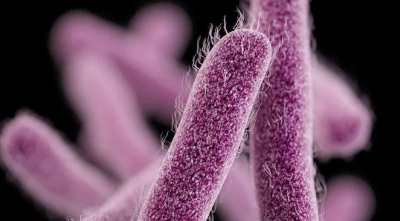
Shigellosis, a highly contagious bacterial diarrhoeal infection, has been reported across Kerala this month, with one death and 15 cases. The death of a three-year-old girl from Kuttikkattoor in Kozhikode district has raised concern over the spread of the disease and the need for strict hygiene, safe food and clean water practices.
What is Shigellosis?
Shigellosis is caused by Shigella bacteria. It is one of the leading bacterial causes of diarrhoea worldwide. Humans are the only natural reservoir of the bacteria. Children under five are especially vulnerable, although the infection can affect anyone.
Transmission and Risk Factors
The infection spreads through:
- Direct close contact with an infected person.
- The faecal-oral route.
- Contaminated food and water.
- Contact with infected faeces, including during diaper changing.
- Sexual contact.
Risk is higher in young children, people with weak immunity, those living in crowded settings, and travellers exposed to unsafe food or water.
Symptoms, Treatment and Complications
The incubation period is usually one to four days. Common symptoms include diarrhoea, often with blood or mucus, stomach cramps, vomiting, fever and a persistent urge to pass stool. Symptoms usually last five to seven days. Mild cases often recover with rest and fluids. Severe cases may need stool testing and antibiotics. Dehydration is the main complication and can be dangerous. Other complications include seizures, bloodstream infection, reactive arthritis, rectal prolapse and haemolytic uremic syndrome.
Public Health Concern and AMR
There is no approved vaccine for shigellosis yet, though candidates are under trial. A major concern is antimicrobial resistance, which can make treatment harder, longer and costlier. Rising resistance has strengthened the case for better sanitation, safe water, food hygiene and early diagnosis, especially during the summer season and school holidays.
Last Modified: April 29, 2026