Iddha refers to a waiting period observed by Muslim women after divorce or the death of a husband. It lasts for three menstrual cycles or until childbirth. This practice ensures clarity regarding paternity and allows for emotional healing. Iddha is rooted in Islamic law and reflects cultural values. It highlights the importance of family and social responsibility in Muslim communities.
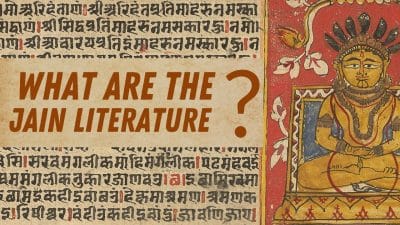
The Ardha-Magadhi Prakrit texts are composed of the fragments and oral traditions of the original Jain texts known as Punva. This recasting was the effort of the Svetambara...
Early Buddhism was confined largely to India and is usually referred to as eravada Buddhism. Later Buddhism, which became very popular outside India (notable in China and Japan),...
There are several calendars in use in India, the earliest dating back to the Hindu calendar used in ancient Vedic times. However, the Indian government has officially adopted...
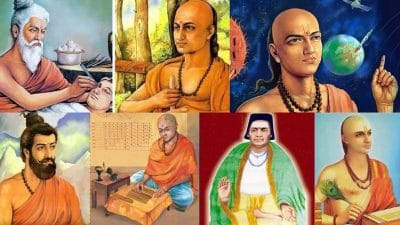
Among all the sciences, medicine was one of the most advanced in ancient India considering the fact that the Atharva Veda mentions certain herbs with curative powers. The...
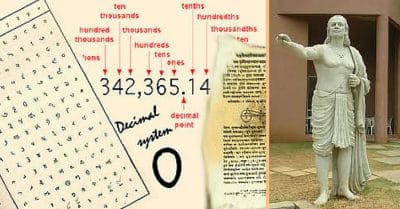
The zero was known to the ancient Indians and this knowledge spread from India to other cultures. Based on the idea of zero, the decimal system also originated...
Varahamihira lived in Ujjain and he wrote three important books: Panchasiddhan Tika, Brihat Samhita, and Brihat Jataka. The first is a summary of five early astronomical systems including...
In a virtual event held on 27th May, 2021, Union Minister Kiren Rijiju will launch Ayush Clinical Case Repository Portal (ACCR). Along with this portal, the third version...
Recently, Bojjannakonda Buddhist heritage site wore a festive look for the annual Bouddha Mela. A large number of people reached Bojjannakonda to participate in this annual Mela which...