The First Century of British Influence marked a shift in India. It began with trade and gradually expanded to political control. The British established laws and governance structures. This period saw the introduction of Western education and culture. It also led to economic changes, impacting local industries. The effects of this influence are still felt in modern India.
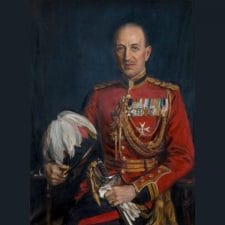
Lord William Bentinck (1828-1835), who remained India s Governor General between 1828 and1835 was a radical aristocrat. His administrative reforms were in line with utilitarian theory but with...
From the year 1806 the Company trained its young recruits'in Haileybury College near London. Earlier the Fort William'College had been founded in Calcutta on'24th''Nov. 1800, where'the civil servants...
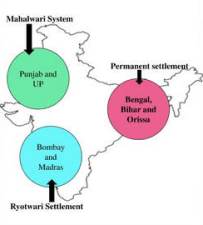
Cornwallis's permanent settlement of land revenue, in the year'1793 , was the most far reaching measure since three-quarters'of the revenue came from the land. The permanent zamindari'settlements were...
The organisational measures adopted by the administrators of'the first three decades of the 19th century established British'India in essentially the form that continued till 1947. The major'role was...
The departure of Clive signalled the release of acquisitive urges by the company's Bengal servants. These urges were so strong that Clive's successor as the governor, Henry Vansittart,...
The French had shown an interest in the East from the early years of the 16th century, but their individual efforts had been checked by the Portuguese. The...
Vaishnavism emerged as a major religious movement during the early medieval period, characterized by the synthesis of Vedic traditions, local cults, and the philosophy of Bhakti. It evolved...