
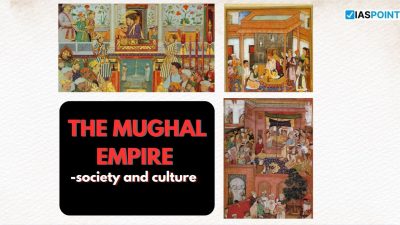
The Mughal Empire was a prominent empire in South Asia from the early 16th to the mid-19th century. It is known for its rich cultural heritage and complex social structures. The empire influenced modern-day India, Pakistan, and Bangladesh. Its legacy includes remarkable achievements in art, architecture, and literature.
Key Characteristics of Mughal Society
Mughal society was hierarchical, with a clear distinction among different classes. The nobility, commoners, and slaves formed the primary social strata. The empire was marked by cultural syncretism, blending Persian, Indian, and Islamic traditions. This unique amalgamation led to the flourishing of art, architecture, and literature.
- Cultural Syncretism: Integration of diverse cultural practices and beliefs.
- Architectural Masterpieces: Notable structures like the Taj Mahal symbolise Mughal architectural prowess.
- Patronage of Arts: Mughal emperors sponsored artists and craftsmen, encouraging creativity.
The Role of Religion
Religion was central to Mughal governance and daily life. Islamic principles influenced rulers, yet the Mughals were known for their religious tolerance. This tolerance allowed diverse communities to coexist peacefully.
- Din-i Ilahi: A syncretic religion founded by Akbar, combining elements from various faiths.
- Sulh-e-Kul: Akbar’s policy promoting universal peace and religious harmony.
- Religious Complexity: Aurangzeb’s orthodox approach contrasted with Akbar’s tolerance, affecting Hindu-Muslim relations.
Life in Rural Society
The majority of the Mughal population lived in rural areas. Their lives were deeply connected to agriculture and the land. About agrarian society provides vital information about the daily existence of common people.
Agrarian Economy
Mughal agriculture was the backbone of the economy. The empire’s fertile lands produced a variety of crops. The revenue system, known as the Zamindari system, involved local landlords collecting taxes from peasants.
- Zamindari System: Local landlords collected taxes, which were divided among themselves, the state, and the military.
- Commercial Farming: Agricultural productivity supported the development of trade.
- Peasant Unrest: Heavy taxation and crop obligations sometimes led to discontent among peasants.
Social Hierarchies in Rural Areas
Social hierarchies in rural Mughal society were determined by occupation and land ownership. Wealthy zamindars occupied the top tier, while farmers and peasants were at the bottom.
- Zamindars and Landowners: Held power and wealth.
- Middle-ranking Officials and Merchants: Played vital roles in trade and administration.
- Farmers and Peasants: Formed the majority but had limited rights and privileges.
Women’s Lives in the Mughal Empire
The roles of women varied between rural and court societies. Their experiences were shaped by social status, location, and the era they lived in.
Women in Rural Society
In rural areas, women contributed to household and agricultural activities. Despite a patriarchal structure, their work was essential for family survival.
- Household Responsibilities: Women managed food storage, processing, and domestic tasks.
- Agricultural Roles: Participated in planting, harvesting, and managing livestock.
- Social Status: Influenced by caste, religion, and economic position.
Influential Women in Court Society
Women in the Mughal court had more opportunities for influence and power. They were patrons of the arts and played roles in politics.
- Noor Jahan: Jahangir’s wife, known for her political influence.
- Mumtaz Mahal: Shah Jahan’s wife, remembered for the Taj Mahal.
- Jahanara Begum: Shah Jahan’s daughter, influential in politics and architecture.
Intellectual and Cultural Flourishing
The Mughal era was a time of intellectual and cultural advancements. The Mughals encourageed creativity and innovation in various fields.
Mughal Contributions to Society
The Mughal Empire blended indigenous traditions with Persian influences. This confluence created a unique Mughal identity.
- Mughal Polity: Centralised governance effective in managing a vast territory.
- Cultural Celebrations: Festivals like Nauroz symbolised cultural syncretism.
- Literary Advancements: Translations of important texts into Persian enriched cultural knowledge.
Art and Architecture
Mughal art and architecture showcased the empire’s diverse influences. The Mughals are renowned for their monumental structures.
- Architectural Achievements: Forts, mosques, and palaces reflected intricate designs.
- Decorative Arts: Calligraphy, miniature paintings, and inlay work brought into light artistic skills.
- Taj Mahal: An iconic representation of Mughal architecture, symbolising love and beauty.
Mughal Society – Key Takeaways
About the Mughal Empire involves recognising its key characteristics.
- Cultural Syncretism: Integration of diverse practices.
- Din-i Ilahi: Akbar’s syncretic religion promoting unity.
- Zamindari System: A crucial aspect of the agrarian economy.
- Patriarchy: Dominant social structure impacting women’s roles.
- Mughal Polity: Centralised governance managing diverse populations.