
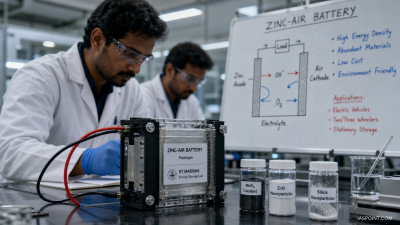
Indian researchers in 2024–25 reported multiple zinc‑air battery advances: nanofluid electrolytes, copper‑doped catalysts using waste‑derived carbons, and mechanically and electrically rechargeable prototypes for EV and stationary storage applications.
Basics and features
- Chemistry: Zinc metal anode oxidises; oxygen from air is reduced at the cathode — classed as metal‑air batteries.
- Electrolyte: Rechargeable designs use aqueous (water‑based) electrolytes to lower flammability relative to organic electrolytes.
- Performance focus: High theoretical energy density and material abundance (zinc) make them attractive for long‑duration storage.
Key Indian innovations (2024–25)
- Nanofluid electrolyte: Silica + ZnO nanoparticle aqueous electrolyte demonstrated laboratory stability beyond three months.
- Low‑cost catalysts and carbon supports: Copper‑doped MnO2 catalysts and carbons derived from discarded water‑filter carbon and face masks used for air cathodes.
- Rechargeability: Mechanically rechargeable pack concepts for EVs and 1 kWh electrically rechargeable prototypes using water‑based electrolytes.
Applications, cost and targets
- Target uses: Stationary long‑duration energy storage; two‑ and three‑wheelers; EV range‑extenders.
- Cost trajectory: Recent estimates ≈ USD 150/kWh; projected potential to fall below USD 100/kWh with scale and material savings.
IASPOINT Booster Facts
- Institutions: SASTRA, IIT Madras, IISc and CeNS reported developments; industry collaboration with Hindustan Zinc documented.
- Technical terms: Air cathode, bifunctional catalyst (ORR/OER), mechanically rechargeable system, zinc‑ion activation methods.
- Timeline: Principal reports and prototypes publicised during 2024–2025.