
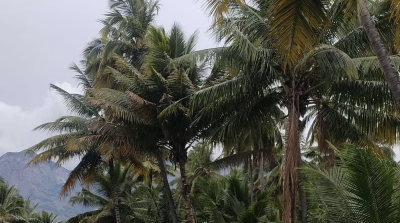
Coconut root wilt disease is spreading rapidly across major coconut-growing belts in Kerala, Tamil Nadu and Karnataka. The phytoplasma-borne disease has damaged large tracts of traditional plantations and is now seen as a major threat to India’s coconut economy, which is concentrated in these three States. The disease is worsened by climate stress, new sucking pests and continuous plantation belts that help vectors move easily.
What the disease is
Root wilt is a non-fatal but highly destructive disease of coconut. It was first identified more than 150 years ago in Erattupetta in Kerala. Infected palms become unproductive, shed nuts and develop distorted crowns. Symptoms often appear late, which makes early field detection difficult. Even when palms do not die immediately, they continue to serve as sources of infection.
Spread and current impact
- The disease spreads through insect vectors and wind-assisted movement.
- Erratic temperatures and climate extremes have increased palm susceptibility.
- Whiteflies and other sucking pests have accelerated the spread.
- More than 30 lakh coconut palms are estimated to be affected.
- Intercropped plantations, especially in Pollachi, face added losses because shade-loving crops such as cocoa and nutmeg suffer when coconut canopy declines.
Research and breeding response
Research institutions have tried integrated cultivation practices and breeding for resistance. The Central Plantation Crops Research Institute, Kayamkulam, has released one resistant and three tolerant varieties. These are multiplied by the Tamil Nadu Agricultural University and the Coconut Development Board, but supply remains limited. Scientists also note that tolerant palms already growing in heavily infected fields may be a valuable source for decentralised breeding and participatory selection.
Policy and institutional needs
A coordinated response is needed from CPCRI, the Coconut Development Board and agricultural universities in Kerala, Tamil Nadu and Karnataka. The article marks the need for shared field data, structured farmer participation, quarantine-based testing of resistant material and wider nursery multiplication. It also points to possible royalty benefits under the Protection of Plant Varieties and Farmers’ Rights Act for farmers whose palms are used in breeding.
Last Modified: April 27, 2026