
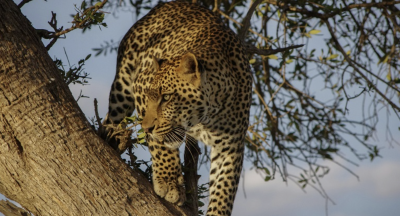
Sunabeda Wildlife Sanctuary in Nuapada district is emerging as leopard habitat after being declared Maoist-free. Forest officials say improved security has allowed better wildlife monitoring, stronger habitat management and a clearer assessment of carnivore presence in the 600 sq km sanctuary. The area had long faced conservation setbacks due to Maoist activity, damaged infrastructure and restricted field work.
Leopard Presence Confirmed
Officials involved in the recent all-India tiger estimation exercise said camera traps placed across the sanctuary recorded leopards in most sectors. Based on field signs and camera trap evidence, they estimate the presence of more than 70 leopards. The sanctuary also supports prey species such as deer, chowsingha, wild boar and bison, which strengthens the habitat for big cats.
Impact of Maoist Decline
For years, Maoist influence limited conservation work in Sunabeda. Nearly half of the sanctuary was under Maoist pressure, making it difficult to install camera traps at key locations. Some cameras were reportedly removed earlier to avoid detection. With the decline in Maoist activity, forest staff have been able to cover the sanctuary more comprehensively and gather better wildlife data.
Tiger Status and Conservation Concerns
Sunabeda was earlier considered a tiger-bearing landscape. The 2016 state-level census estimated four tigers in the sanctuary, while one tiger was also sighted in the nearby Khariar division. However, the latest central tiger census found no tiger in Sunabeda. Officials and experts hope the current improvement in field conditions will support a better outcome in the next census and strengthen long-term conservation efforts.
Conflict and Contiguous Forests
Nuapada continues to report man-leopard conflict, making wildlife management important for both conservation and local safety. Sunabeda’s contiguous forest link with Udanti Wildlife Sanctuary in Chhattisgarh’s Gariabandh district also shaped the region’s security situation in the past. Better protection and habitat management may now help restore the sanctuary’s ecological value.
Last Modified: April 27, 2026