
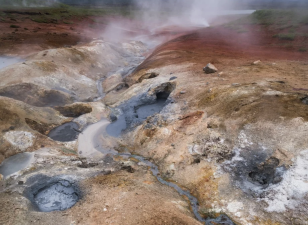
A mud volcano erupted suddenly in Diglipur in the Andaman Islands near Jol Tekri on 8 January, triggering concern among locals and visitors. The area was quickly secured by officials, and public access was restricted. No injuries or structural damage have been reported so far. The event has drawn scientific attention because mud volcanoes can indicate underground pressure, gas movement and tectonic activity in a seismically active region.
What Happened at the Site
A loud rumbling was heard before the eruption. Soon after, mud began flowing across parts of the site. The discharge confirmed active movement beneath the surface. The eruption was unexpected and caused temporary disturbance in the surrounding forest area.
What Is a Mud Volcano
- Mud volcanoes eject mud, water and gases.
- They do not release molten lava like true volcanoes.
- They form due to pressure from underground fluids and gases.
- Such features are important geological indicators.
Why the Event Matters
The Andaman Islands lie near tectonic plate boundaries and are prone to seismic and volcanic activity. Mud volcanoes can help scientists study subsurface pressure, gas release and crustal processes. The Diglipur eruption may provide clues about deeper geological conditions in the islands.
Monitoring and Environmental Impact
Geologists may collect samples from the site to analyse gases and sediments. Satellite imagery and ground sensors may also be used for monitoring. Fresh mud has covered patches of soil and vegetation, but no major wildlife casualties have been reported. Forest officials are keeping watch on the affected area.
Last Modified: April 28, 2026