
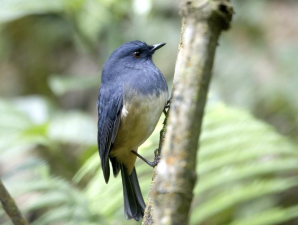
Silent Valley National Park in Kerala has recorded 192 bird species in a comprehensive survey that covered both core and buffer zones. The exercise, held from 6 to 8 March, is notable for being the first extensive bird survey across all 21 forest camps in the park. It brought into light the rich avian diversity of the Western Ghats and provided fresh data on resident, migratory and breeding birds.
Survey Coverage and Participation
The survey was jointly organised by the Kerala Forest Department and the Malabar Natural History Society. Around 85 birdwatchers from Kerala and Tamil Nadu took part. The survey covered lowland and high-altitude camps, including Poochipara, Koomban, Sispara, Meenbhani and Walakkad. Silent Valley National Park Wildlife Warden G. Harikrishnan Nair inaugurated the exercise.
Key Bird Species Recorded
The team documented rare migratory species such as the Asian house martin and the Western house martin. It also recorded 20 species endemic to the Western Ghats. These included the Nilgiri laughingthrush, Black-and-orange flycatcher, White-bellied treepie, Nilgiri pipit, White-bellied blue flycatcher and Nilgiri sholakili. The findings underline the park’s importance as a habitat for endemic and migratory birds.
Breeding Evidence and Raptors
Researchers found breeding evidence in around 11 species. These included the Sri Lanka frogmouth, Indian nightjar, Bronzed drongo, Malabar trogon, Crimson-backed sunbird, Purple-rumped sunbird, Malabar grey hornbill and Malabar imperial pigeon. The survey also noted a healthy diversity of birds of prey, including owls and nightjars, indicating a balanced forest ecosystem.
Camp-wise Findings and Significance
Among the forest camps, Anavaayi recorded the highest number of species at 95, followed by Thathengalam at 94, Uppukandam at 93 and Keeripara at 92. The survey strengthens the scientific understanding of Silent Valley’s biodiversity and supports future conservation planning in one of India’s most important rainforest landscapes.
Last Modified: April 28, 2026