
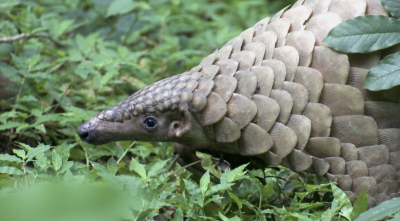
The apex body of the Sangtam community in Nagaland has passed a resolution to protect pangolins within its jurisdiction. The move is because the Sangtams are concentrated in Kiphire and Tuensang districts, close to the India-Myanmar border, a major route for wildlife trafficking. Pangolins are among the world’s most trafficked wild mammals, targeted for their scales and meat.
Community-Led Conservation
The resolution was adopted by the United Sangtam Likhum Pumji, reflecting growing support for community-based wildlife protection. Such resolutions are important in Nagaland, where traditional institutions and village councils play a strong role in regulating local practices and natural resource use. Conservationists see this as a model for grassroots action against illegal wildlife trade.
Importance of the Border Region
The Sangtam-inhabited landscape is part of the Indo-Myanmar Biodiversity Hotspot. It has dense forests, shifting cultivation areas, and rich wildlife habitats. The region is ecologically important but also vulnerable to poaching and smuggling. Most pangolins from north-eastern India and other parts of the country are trafficked along the 1,643-km India-Myanmar border.
Species Under Threat
The conservation effort focuses on two species found in India and the region:
- Indian Pangolin (Manis crassicaudata)
- Chinese Pangolin (Manis pentadactyla)
Both species face severe pressure from illegal trade. Pangolins are hunted for scales and meat, which are used in traditional medicine and luxury markets in parts of Asia and Africa. More than 1,000 pangolins were poached and trafficked in India between 2018 and 2022.
Project and Wider Significance
The resolution is part of a wider Countering Pangolin Trafficking Project led by the Wildlife Trust of India, with support from the Wildlife Conservation Network’s Pangolin Crisis Fund. The initiative began in Manipur in 2023 and was later expanded to Nagaland. The Sangtam resolution follows a similar decision by the Tangkhul Naga Awunga Long in Manipur, showing expanding tribal support for pangolin conservation across state borders.
Last Modified: April 28, 2026