
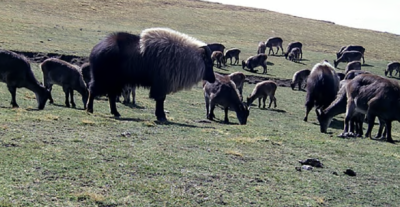
The Himalayan alpine meadows are facing a growing ecological crisis as unmanaged tourism waste spreads into fragile high-altitude habitats. In the Rudranath-Tungnath region of the Kedarnath Wildlife Sanctuary, camera traps installed for a project on the Himalayan tahr have shown wildlife feeding in garbage-filled meadows. The development marks how plastic, food waste, and human refuse are altering natural ecosystems in the central Himalayas.
Waste in Alpine Meadows
The meadows and subalpine forests of Uttarakhand are increasingly affected by litter from trekkers, pilgrims, and temporary camps. Common waste includes plastic wrappers, leftover food, bottles, and other non-biodegradable material. These areas, once considered remote and pristine, are now exposed to regular dumping near trekking routes and stopovers.
Impact on Himalayan Tahr
The Himalayan tahr, a प्रमुख herbivore of the high Himalayas, is being drawn towards food waste left at dumping sites. This changes its natural feeding behaviour and movement patterns. Wildlife experts view such sites as potential ecological traps, where easy access to food may increase long-term risks to survival. Animals may lose natural foraging habits and become more vulnerable to disturbance, disease, and mortality.
Tourism and Weak Waste Systems
Rapid growth in pilgrimage tourism and trekking has sharply increased waste generation in the region. However, many routes still lack adequate bins, segregation systems, collection centres, and toilets. Seasonal eateries and roadside stalls often burn garbage or dump it on slopes. Forest staff also face limited manpower to monitor all trails effectively. The result is continued pollution of soil and water in sensitive mountain ecosystems.
Need for Collective Action
Protecting Himalayan biodiversity now requires coordinated action by the Forest Department, local communities, trekking operators, and visitors. Better waste collection, strict disposal rules, and responsible tourism practices are essential. Without immediate intervention, the fragile alpine environment may suffer irreversible damage, threatening endemic species and the ecological balance of the Himalayas.
Last Modified: April 28, 2026