
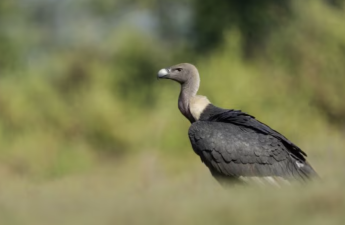
A critically endangered White-rumped vulture was rescued near Mampad in Nilambur after it was found weak and grounded. The bird was given immediate care by forest officials, treated, monitored, and later released at Kakkappadam in Wayanad, a key vulture hotspot in Kerala. The incident brought into light the rare presence of vultures in Nilambur and the importance of Wayanad as the state’s main vulture habitat.
Rescue and Treatment
- The bird was first noticed in a weak condition near Mampad.
- The Nilambur South Division rapid response team took it into care.
- It was treated by the Assistant Forest Veterinary Officer.
- After two days, it was shifted to Wayanad Wildlife Sanctuary for further observation.
- It was later released at Kakkappadam after health monitoring.
Significance of the Sighting
Forest officials said this was the first vulture sighting in Nilambur in recent times. The bird’s origin was not clear, but it may have drifted from Wayanad in search of food. Conservation experts noted that the bird did not show major health issues. The sighting was considered important because vultures are indicators of a healthy forest ecosystem.
Wayanad as Vulture Habitat
- Wayanad supports White-rumped, Red-headed, and Indian vultures.
- A 2024 raptor survey recorded 80 vultures in the sanctuary.
- Three-fourths of them were White-rumped vultures.
- Migrant species such as Himalayan griffon, Cinereous and Egyptian vultures also visit the region.
Conservation Context
The Nilgiri landscape across Kerala, Karnataka, and Tamil Nadu recorded around 300 White-rumped vultures in the latest count, making it the largest population of the species in India. Unlike many parts of North India, vultures in Wayanad mainly feed on natural carcasses, and diclofenac poisoning is less common. The White-rumped vulture has suffered a severe global decline, falling from millions in the 1980s to fewer than 6,000 in 2021. Its large wingspan and soaring flight make it a key species in forest ecology.
Last Modified: April 28, 2026