
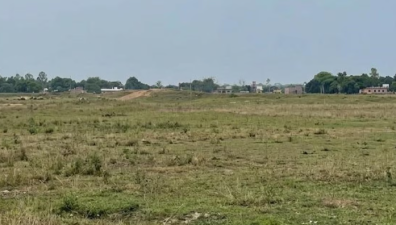
Balirajgarh, a historic mound in Babubarhi block of Madhubani district, Bihar, has entered a new phase of archaeological study as the Archaeological Survey of India has begun scientific excavation there. The site is widely linked with ancient Mithila and is locally associated with King Bali. Scholars also view it as a possible administrative centre of the Videha Kingdom. The excavation aims to establish the earliest period of human settlement and verify whether the site predates the Mauryan era.
Historical Importance of Balirajgarh
Balirajgarh has long been regarded as a protected archaeological site, having been declared so in 1938. Earlier surveys suggested that the mound may contain a massive brick fortification spread over about 176 acres. The site is considered important for understanding the political and cultural history of Mithila and north Bihar. Its location and scale indicate that it may have served as a major settlement in the ancient period.
Excavation Plan and Methodology
The ASI plans to dig around 20 trenches to study the cultural layers of the site. The excavation will examine continuity across several historical phases, including:
- Mauryan period, marked by Northern Black Polished Ware.
- Sunga period.
- Kushan period.
- Gupta period.
- Pala period.
Modern techniques such as satellite imagery and systematic mapping are being used to identify key areas for digging. These methods are intended to reduce technical difficulties, including problems caused by a high water table.
Findings from Earlier Explorations
Preliminary explorations in 2013-14 produced small artefacts that strengthened the case for a larger excavation. Earlier surveys also suggested a continuous timeline of habitation at the site across several dynasties. The discoveries included:
- Beads and copper objects.
- Bone tools and terracotta figurines.
- Toys and punch-marked coins.
These remains indicate a settled and skilled ancient community with evidence of urban planning and material culture.
Significance for Mithila Heritage
The excavation is expected to deepen knowledge of the Iron Age and early historic phases of the Videha region. It may help push back the documented history of Mithila by several centuries. The project is also linked to heritage tourism and cultural preservation, with plans for a modern museum to conserve the findings. The work may strengthen Madhubani’s identity as a major centre of Indian philosophy, archaeology, and cultural history.
Last Modified: April 29, 2026