
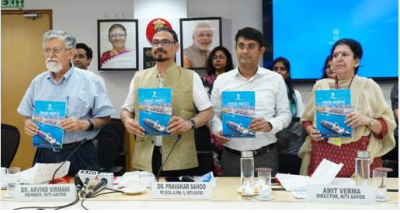
India’s trade performance and the gems and jewellery sector came into focus with the release of the latest edition of Trade Watch Quarterly for Q3 of FY26. The publication assesses global and domestic trade trends amid resilient world trade and continuing macroeconomic and geopolitical uncertainty. It also examines India’s export structure, sectoral strengths, and policy priorities for improving competitiveness.
Trade Performance in Q3 FY26
India recorded a mixed but resilient trade outcome in the quarter. Merchandise exports grew by 1.6%, while merchandise imports rose faster at 7.9%. Services exports increased by 7.8%, supported by moderate growth in services imports. This helped sustain a surplus in services trade and supported the overall external balance.
Focus on Gems and Jewellery
The thematic section of the edition studies India’s gems and jewellery sector, a major labour-intensive manufacturing segment. Excluding raw gold, the global market size is estimated at about $378 billion in 2024. India’s exports stood at $29.5 billion, giving it a 7.8% share in world exports. India has a strong position in diamonds and precious metal jewellery, with exports of $26.7 billion in these segments. Surat remains the world’s largest cutting and polishing hub.
Structural Strengths and Constraints
The sector shows high product and market concentration. Exports are largely directed to the United States, UAE, and Hong Kong. Imports are also concentrated among a few suppliers of raw materials. Key challenges include:
- Limited value addition due to a fragmented MSME base.
- Heavy dependence on imported inputs.
- Credit gaps and weak trust with financial institutions.
- Skill and design shortages.
- Limited integration with global trading hubs.
Policy Priorities and Outlook
The publication marks the need for greater value addition, diversification into emerging segments such as lab-grown diamonds, improved access to finance, and stronger technology and skill support. It also stresses the importance of deeper integration into global value chains. The analysis is intended to support policymaking, research, and industry strategy in strengthening India’s trade competitiveness.
Last Modified: April 27, 2026