
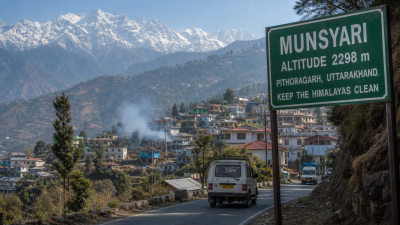
A June 17, 2026 study by ARIES (an autonomous institute under DST) reported measurable non-methane hydrocarbon (NMHC) pollution at Munsyari in the Himalaya based on field observations from 2022–2023.
NMHCs — definition and atmospheric role
- Definition: NMHCs are volatile organic compounds (VOCs) excluding methane.
- Atmospheric role: Act as precursors to tropospheric ozone and secondary organic aerosols (SOA).
- Key species: Aromatic hydrocarbons such as benzene and xylene strongly drive ozone and SOA formation.
Principal study findings (Munsyari, 2022–2023)
- Seasonal pattern: Lowest NMHC concentrations during winter and monsoon; highest in spring and autumn.
- Local sources: LPG and diesel combustion, vehicular emissions and construction activities were dominant contributors.
- Regional comparison: NMHC levels at Munsyari exceeded those at Nainital but were lower than levels recorded in Haldwani and Delhi.
- Health risk: Long-term exposure to benzene at the site may exceed accepted cancer‑risk thresholds.
IASPOINT Booster Facts
- Institutional: ARIES operates under the Department of Science and Technology (DST).
- Monitoring requirement: Speciated NMHC/VOC measurements are needed; routine ambient networks often do not capture speciated NMHCs.
- Relevance to policy: Controlling NMHCs is directly linked to reducing ground‑level ozone and SOA, affecting air quality and climate co‑benefits.
- Publication: Study published 17 June 2026; field data from 2022–2023.