
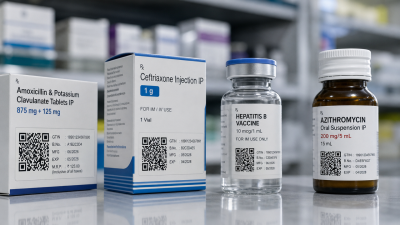
On 25 June 2026 the Union Health Ministry notified amendments to the Drugs Rules, 1945 expanding the QR code-based drug traceability framework to include vaccines, antimicrobials, anti‑cancer medicines and narcotic & psychotropic drugs.
Key change
- Regulatory amendment: Drugs Rules, 1945 amended; Schedule H2 expanded to include vaccines, antimicrobials, anti‑cancer medicines and narcotic & psychotropic drugs (NDPS Act, 1985).
- Notification date: 25 June 2026.
Scope & timeline
- Vaccines, narcotics, anti‑cancer: compliance effective 1 July 2027.
- Antimicrobials (including antibiotics): compliance effective 1 July 2028.
- Earlier coverage: QR requirement previously applied only to the top 300 pharmaceutical brands.
Packaging & required data
- Code placement: QR code or barcode on primary packaging label or secondary label if primary lacks space.
- Mandatory data: unique product identification code, generic & brand names, manufacturer details, batch number, manufacturing & expiry dates, manufacturing licence number, excipient information.
Traceability purpose
- Supply‑chain function: enables authentication and verification of products across the supply chain.
- Public‑health linkages: inclusion of antimicrobials aids monitoring relevant to Anti‑Microbial Resistance; NDPS inclusion enables tracking of controlled substances.
IASPOINT Booster Facts
- Schedule H2: statutory category under Drugs Rules for prescription drugs requiring enhanced controls and reporting.
- Legal basis: Drugs Rules framed under the Drugs and Cosmetics Act, 1940; NDPS Act, 1985 governs narcotics and psychotropics.
- Standards: track‑and‑trace implementations commonly use GS1 and similar unique identifier standards for interoperability.