
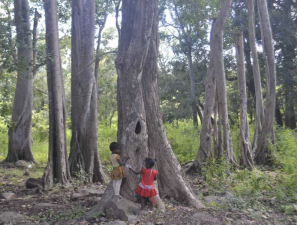
The Telangana government has begun a voluntary rehabilitation and relocation programme for tribal families living inside the Amrabad Tiger Reserve. The initiative aims to balance tribal welfare with wildlife conservation by shifting families from forest villages to planned settlements with better civic and economic facilities. In the first phase, 417 families from four villages are being covered.
Rehabilitation Plan and Coverage
The programme covers families from Sarlapalli, Kudichintalabailu, Tatigundalapenta and Kollampenta villages. The relocation is being carried out with the consent of the families. The government has presented it as a socio-environmental reform rather than a routine administrative exercise.
Compensation and Housing Options
Beneficiaries are being offered two options.
- Rs 15 lakh cash compensation for 160 families.
- Modern housing with five acres of agricultural land for 257 families at Bacharam in Nagarkurnool district.
A total of Rs 62.55 crore has been allocated for the project. Of this, Rs 24 crore is for cash compensation and Rs 38.55 crore is for housing facilities. Cheques of Rs 15 lakh each were distributed to 14 tribal families in the first phase.
Facilities at Bacharam Colony
The Bacharam rehabilitation site is being developed as a model village. It will include roads, drinking water, electricity, healthcare, schools, anganwadis, community halls and farmer platforms. Digital learning facilities, self-help groups and skill development centres are also planned to support tribal livelihoods and children’s education.
Forest Conservation Significance
The relocation is expected to free about 1,501 hectares of forest land. This will help restore natural habitats and improve the movement of wildlife, including tigers. Officials have said the project will support both habitat conservation and the long-term increase of tiger populations.
Last Modified: April 29, 2026