
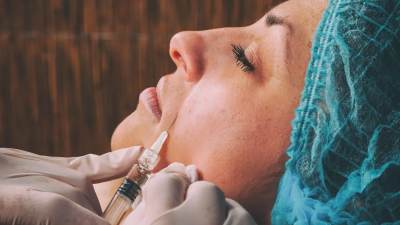
The Central Drugs Standard Control Organisation (CDSCO) issued a public notice on May 18, 2026, explicitly prohibiting the administration of cosmetic products through injections. Directed by the Drugs Controller General of India (DCGI), this regulatory intervention targets aesthetic clinics, beauty salons, wellness centers, and consumers to curb the unauthorized use of injectable beauty treatments like glutathione skin-brightening drips and anti-aging mesotherapy cocktails. The national drug regulator clarified that products in injectable forms do not legally qualify as cosmetics, and using them as such violates the Drugs and Cosmetics Act, 1940, and the Cosmetics Rules, 2020.
Legal Classification and Regulatory Framework
Definition of Cosmetics under Indian Law
Section 3(aaa) of the Drugs and Cosmetics Act, 1940, defines a cosmetic as any article intended to be rubbed, poured, sprinkled, or sprayed on, introduced into, or otherwise applied to the human body for cleansing, beautifying, promoting attractiveness, or altering the appearance. The legal definition limits application to external topical use or non-invasive introduction. It completely excludes internal administration via subcutaneous, intramuscular, or intravenous routes.
The Cosmetics Rules, 2020
The manufacture, import, sale, and distribution of cosmetic products are heavily regulated under the Cosmetics Rules, 2020.
- Prohibition of Treatment Claims: Cosmetics are legally barred from being marketed or used for therapeutic treatment purposes. Any product claiming to cure, mitigate, or treat a medical or physiological condition automatically falls under the definition of a “Drug” and requires separate clinical trials and manufacturing licenses.
- Safety Standards: The rules mandate that all cosmetics must comply with safety and quality standards defined by the Bureau of Indian Standards (BIS).
Market Factors and Health Risks
Growth of the Aesthetic Medicine Sector
India’s medical aesthetics and cosmetic dermatology sector has expanded rapidly, valued at approximately $1.6 billion. This expansion is driven by rising disposable incomes, social media influencer marketing, and celebrity endorsements. The growth has led to a proliferation of urban wellness chains and medi-spas offering non-surgical aesthetic enhancements.
Popular Injectable Procedures under Scrutiny
A grey market has thrived by importing or compounding substances and classifying them as cosmetics to bypass stringent drug approval channels.
| Procedure / Substance | Marketed Claim | Clinical Status & Regulatory Reality |
| Glutathione Drips | Skin-lightening, detoxification, and hyperpigmentation reduction | Often used off-label without US FDA approval; poses long-term systemic safety concerns. |
| Mesotherapy Cocktails | Anti-aging, skin rejuvenation, and localized fat reduction | Plant extracts and vitamins injected into the subcutaneous tissue; lacks standardized clinical efficacy data. |
| Skin Boosters & Micro-injections | Deep hydration and structural glow | Frequently mislabeled or mixed outside hospital environments without emergency care safeguards. |
Associated Public Health Risks
Medical experts and dermatologists have flagged several adverse health outcomes tied to unregulated beauty injections:
- Infections: Transmission of atypical mycobacterial infections and blood-borne pathogens due to non-sterile clinic settings.
- Systemic Damage: Potential liver injury, kidney complications, and severe anaphylactic shocks from unverified chemical formulations.
- Financial Exploitation: Consumers pay high premium prices for unproven, off-label procedures lacking scientific backing.
Enforcement and Compliance Mandates
Crackdown on Misleading Claims and Labeling
The CDSCO advisory reinforces strict compliance with the labeling provisions of the Cosmetics Rules, 2020.
- False Branding: Labels must not carry any text or graphic representation that conveys a false or misleading idea regarding the true utility, composition, or safety of the product.
- Label Tampering: The notice declares it a legal violation for any person, clinic, or distributor to alter, obliterate, or deface the original manufacturer markings, batch details, or inscriptions on the container or wrapper.
Reporting Mechanism and Violations
The central regulator identifies four primary areas of violation that will attract penal action under the parent Act:
- Application of cosmetic products via injections.
- Use of cosmetics for medical treatment or therapeutic claims.
- Inclusion of prohibited or restricted ingredients.
- Misleading or deceptive product labeling.
The public, healthcare practitioners, and manufacturers are directed to report observed violations directly to the CDSCO headquarters via official email channels or to respective State Licensing Authorities for immediate enforcement action.
IASPOINT Booster Facts for UPSC
Key Institutional Bodies and Legislation
- Central Drugs Standard Control Organisation (CDSCO): The national regulatory body for Indian pharmaceuticals, medical devices, and cosmetics. It is headed by the Drugs Controller General of India (DCGI) and operates under the Directorate General of Health Services, Ministry of Health and Family Welfare.
- Drugs Technical Advisory Board (DTAB): The highest statutory decision-making body in India regarding the technical aspects of drug and cosmetic regulations, constituted under the Drugs and Cosmetics Act, 1940.
- Drugs Consultative Committee (DCC): An advisory body set up by the Central Government to ensure uniform administration of the Drugs and Cosmetics Act across all states.
- Bureau of Indian Standards (BIS): The national standards body of India operating under the Ministry of Consumer Affairs, Food and Public Distribution. It is the specific agency responsible for publishing the list of Generally Not Recognised as Safe (GNRAS) and restricted ingredients for cosmetics.
- Difference Between Drug and Cosmetic Registration: A drug requires rigorous human clinical trials, bioequivalence studies, and Central Licensing approval before manufacturing or import. A cosmetic undergoes a simplified registration process focused primarily on ingredient safety profiles and non-toxicity certificates, making the unauthorized injection of cosmetics a major loophole.