
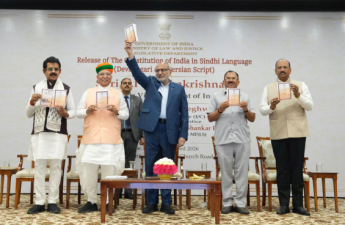
The Vice-President of India released the latest version of the Constitution of India in Sindhi at Uprashtrapati Bhawan on Sindhi Bhasha Diwas. The Constitution has been published in both Devanagari and Persian scripts. The initiative is aimed at improving linguistic inclusion and making the founding document more accessible to Sindhi-speaking citizens.
Key Significance
- The release marks the first time since Independence that the Constitution has been made available in Sindhi in Devanagari script.
- It reflects efforts to bring constitutional knowledge closer to citizens in their mother tongue.
- The move supports democratic participation by improving understanding of rights and duties.
Sindhi Language and Constitutional Recognition
Sindhi is regarded as one of India’s oldest languages with a rich literary heritage. Its tradition combines Vedantic thought and Sufi philosophy, and it is associated with values of harmony, love and brotherhood. The language was included in the Eighth Schedule of the Constitution through the 21st Constitutional Amendment in 1967, giving it formal recognition at the national level.
Broader Language Accessibility Efforts
The release is part of a wider effort to make the Constitution available in more Indian languages. In recent years, translations have been issued in languages such as Bodo, Dogri, Santhali, Tamil, Gujarati and Nepali. Such initiatives strengthen linguistic diversity while ensuring that constitutional principles are understood across communities.
Democratic and Cultural Importance
The Constitution is not only a legal document but also a living guide for the nation. Making it available in regional languages helps citizens engage more deeply with democratic values. The initiative also underlines the role of language in preserving identity, culture and national unity, while supporting the vision of a developed India by 2047.
Last Modified: April 28, 2026