
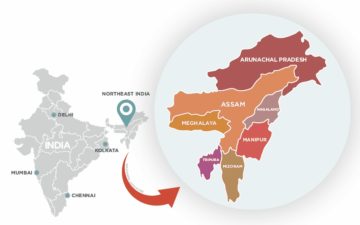
The Ministry of Development of North Eastern Region (DONER) marked its 25th anniversary in 2026. Established by then Prime Minister Atal Bihari Vajpayee, it aimed to address neglect towards Northeast India. Despite initial apathy, the ministry’s budget increased by 152% under Prime Minister Narendra Modi, from Rs 2,332 crore in 2014-15 to Rs 5,892 crore in 2023-24. However, regional development requires more than funding; it needs recognition of the people’s identity and societal integration.
Budgetary Growth and Administrative Focus
DONER’s budget rise reflects renewed government focus. Increased funds support infrastructure, education and health projects. Yet, financial investment alone cannot resolve deep-rooted issues. Administrative efforts must combine with cultural understanding to ensure holistic development.
Challenges of Social Integration
People from Northeast and other border areas face discrimination and ignorance. Recent racial abuse incidents show ongoing social challenges. Legal measures alone cannot encourage unity. A broader cultural and educational approach is essential to build empathy and national integration.
Policy Recommendations for Emotional Integration
A comprehensive policy is needed for emotional integration of border regions including Jammu and Kashmir, Ladakh, Andaman-Nicobar and Lakshadweep. Key steps include revising school curricula to include lessons on border areas, establishing university departments for border studies, and linking schools across regions for cultural exchange.
Experiential Learning and Celebrating Regional Heroes
Mandatory two-year service in border areas for IAS and IPS officers can promote experiential understanding. Sister-school programmes will encourage grassroots connections. National recognition of regional heroes like Lachit Borphukan and Bhupen Hazarika can inspire shared pride and identity.
Topics for Prelims:
Ministry of Development of North Eastern Region (DONER)
- Established in 2001 by PM Atal Bihari Vajpayee.
- Focuses on socio-economic development of Northeast India.
- Budget increased by 152% from 2014-15 to 2023-24.
- Supports infrastructure, education and health projects.
- Works alongside other central and state agencies.
Border Area Integration Policies
- Include border area lessons in school curricula.
- Establish university departments for border studies.
- Mandatory IAS/IPS service in border regions.
- Sister-school linkages between border and non-border areas.
- Celebrate regional freedom fighters and cultural icons nationally.
Northeast India and National Integration
- Home to diverse ethnic groups and cultures.
- Faces challenges of racial discrimination and ignorance.
- Requires both legal and social measures for integration.
- Emotional integration essential for national unity.
- Recent incidents show urgency for awareness and empathy.
Questions for Mains:
- Critically discuss the role of cultural integration in promoting national unity in India’s border regions. Examine the limitations of legal measures alone in this context. [GS-II-Constitution of India & Polity]
- Analyse the impact of increased budgetary allocation to the Ministry of Development of North Eastern Region on socio-economic growth. Estimate the challenges that remain for holistic development. [GS-III-Economic Development]
- Point out the significance of experiential learning for civil servants in border areas and discuss how it can improve governance and regional integration. [GS-II-Governance]
- Examine the importance of including regional history and culture in school curricula for encouraging national integration. Critically discuss its potential impact on societal attitudes towards border areas. [GS-I-Indian Culture]
Answer Hints:
1. Critically discuss the role of cultural integration in promoting national unity in India’s border regions. Examine the limitations of legal measures alone in this context. [GS-II-Constitution of India & Polity]
- Cultural integration encourages shared identity, empathy, and emotional bonding among diverse border communities and the rest of India.
- Border regions like Northeast, J&K, Ladakh, Andaman-Nicobar face ethnic diversity and historic isolation requiring deeper social understanding.
- Legal measures (laws, police action) address symptoms like racial abuse but cannot change mindsets or social prejudices.
- True national unity demands educational reforms, cultural exchanges, and celebration of regional heroes to build respect and awareness.
- Community-driven initiatives and sustained government policies are necessary beyond enforcement to ensure lasting integration.
- Limitations of legal measures include inability to address emotional alienation and ignorance prevalent in society.
2. Analyse the impact of increased budgetary allocation to the Ministry of Development of North Eastern Region on socio-economic growth. Estimate the challenges that remain for holistic development. [GS-III-Economic Development]
- Budget increased by 152% from Rs 2,332 crore (2014-15) to Rs 5,892 crore (2023-24), reflecting renewed government focus.
- Funds have improved infrastructure, education, healthcare, and connectivity in Northeast India.
- Enhanced financial resources have boosted regional development projects and welfare schemes.
- Challenges remain – social integration, identity recognition, and overcoming deep-rooted ignorance and discrimination.
- Holistic development requires combining financial investment with cultural, educational and governance reforms.
- Geographical remoteness, ethnic diversity, and administrative coordination continue to pose obstacles.
3. Point out the significance of experiential learning for civil servants in border areas and discuss how it can improve governance and regional integration. [GS-II-Governance]
- Mandatory 2-year service in border areas for IAS/IPS officers promotes firsthand understanding of local issues and culture.
- Experiential learning reduces stereotypes, builds empathy, and improves sensitivity towards regional aspirations.
- Better-informed officers can design and implement policies suited to unique border challenges.
- Facilitates stronger administrative presence and trust-building between government and local communities.
- Enhances governance quality, conflict resolution, and promotes emotional integration of border populations.
- Encourages officers to become ambassadors of national unity and cultural integration.
4. Examine the importance of including regional history and culture in school curricula for encouraging national integration. Critically discuss its potential impact on societal attitudes towards border areas. [GS-I-Indian Culture]
- Incorporating lessons on border regions in school textbooks encourages early awareness and appreciation of diverse cultures.
- Subjects like History, Geography, Social Studies, English, and regional languages can show contributions of border areas.
- Educational exposure reduces ignorance, stereotypes, and racial prejudices among future generations.
- School linkages between border and non-border institutions encourage grassroots cultural exchange and empathy.
- National celebration of regional heroes inspires pride and shared ethos, strengthening unity.
- Potential challenges include curriculum overload and ensuring sensitive, accurate representation of diverse cultures.