
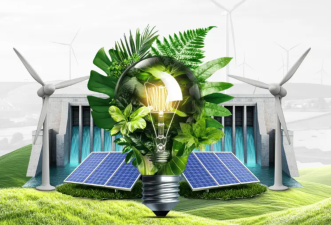
India’s renewable energy journey is usually narrated through headline figures—installed capacity, global rankings, and long-term targets. Yet beneath these statistics is a quieter transformation that is reshaping daily life across towns, villages, and emerging urban centres. Clean energy is no longer a distant climate goal; it is increasingly a lived reality with social, economic, and health dividends.
Beyond gigawatts: a people-centric transition
India’s push for renewable energy, driven by policy support and falling technology costs, has steadily moved from utility-scale projects to decentralised, community-facing solutions. This shift has allowed clean energy to intersect directly with household budgets, farm productivity, and local employment, making the energy transition socially meaningful rather than merely symbolic.
Rooftop solar and household energy security
One of the most visible changes has come through rooftop solar installations, particularly in States such as Gujarat, Rajasthan, and Maharashtra. For middle- and lower-middle-income households, rooftop solar has transformed electricity from an unpredictable monthly expense into a manageable and often predictable cost. Net metering has enabled many families to sell surplus electricity back to the grid, creating modest but steady supplementary incomes.
This transition has had important gender dimensions as well. For women who often manage household finances, reduced electricity bills and predictable energy costs have enhanced financial autonomy and planning capacity.
Solar irrigation and resilient agriculture
In rural India, solar-powered irrigation pumps are altering agricultural practices in significant ways. Farmers who once relied on erratic grid supply or expensive diesel pumps now have more reliable access to irrigation. This has reduced cultivation costs, improved cropping intensity, and stabilised yields, particularly for small and marginal farmers.
In drought-prone regions, the integration of solar pumps with micro-irrigation systems has also helped conserve groundwater. The outcome is not just cleaner energy use, but greater resilience in rural livelihoods and reduced vulnerability to climate and market shocks.
Wind energy and local economic development
India’s wind energy sector, especially in Tamil Nadu, Karnataka, and Gujarat, has matured into a stable source of employment and regional development. Wind farms employ local technicians, engineers, and maintenance staff, reducing distress migration and anchoring jobs within local economies.
Infrastructure built to support wind projects—such as access roads and transmission facilities—has improved connectivity for nearby villages. Land lease payments from wind installations provide farmers with additional income without displacing agricultural activity, creating a complementary land-use model.
Bioenergy and the circular economy
An often overlooked success of India’s renewable transition lies in bioenergy. In States like Punjab, Haryana, and Uttar Pradesh, agricultural residue that once contributed to severe air pollution is now being converted into compressed biogas and electricity. Crop residue management plants offer farmers a financial incentive to supply waste instead of burning it.
This circular model—where farm byproducts fuel clean energy—aligns environmental protection with economic gain. It also addresses a major public health concern by reducing seasonal air pollution in northern India.
Innovation, start-ups, and indigenous solutions
The renewable energy push has catalysed innovation and entrepreneurship. Start-ups working on energy storage, smart grids, and affordable solar technologies are emerging from cities such as Bengaluru, Pune, and Hyderabad. Many are led by young, first-generation entrepreneurs who view climate action as both a responsibility and an economic opportunity.
Crucially, these solutions are increasingly adapted to Indian conditions—high temperatures, dust exposure, and varied consumption patterns—making renewable systems more reliable and scalable in diverse contexts.
Public health and quality-of-life dividends
India’s renewable transition is not only about meeting climate commitments; it has direct implications for public health. Reduced dependence on coal and diesel translates into cleaner air, fewer respiratory illnesses, and lower long-term healthcare costs. For children growing up in towns and regions adopting clean energy, this means healthier developmental environments and improved life chances.
Challenges that remain
Despite progress, the transition is not without challenges. Issues related to energy storage, grid stability, and equitable access—especially for remote and poorer regions—require sustained policy attention. Ensuring that renewable energy benefits are evenly distributed will be critical for long-term social acceptance and political support.
What to note for Prelims?
- Types of renewable energy in India: solar, wind, bioenergy.
- Concepts such as net metering and decentralised renewable energy.
- Link between renewable energy and climate mitigation.
What to note for Mains?
- Socio-economic impacts of renewable energy beyond emission reduction.
- Role of decentralised energy in rural development and agriculture.
- Renewable energy as a public health and livelihood intervention.
- Challenges of storage, grid integration, and equitable access.