
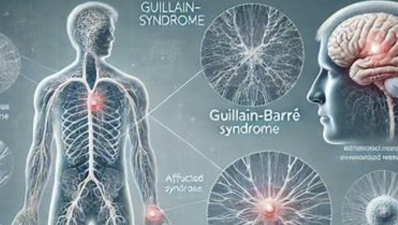
Authorities in Neemuch district of western Madhya Pradesh are on high alert after a Guillain-Barre Syndrome (GBS) outbreak linked to multiple wards of Manasa town. The rare neurological disorder has so far caused two child deaths and several new cases, prompting large-scale health surveillance, sample collection, and treatment arrangements.
Outbreak In Manasa Town
The outbreak was first reported in the second week of the month in Manasa, which borders Rajasthan. Two boys, aged seven and 15 years, died within three days. Since then, 13 more cases have been detected. These include 11 patients below 18 years of age and two men aged 31 and 60. Most cases are from Manasa town, while one is from Neemuch city.
Health Surveillance And Testing
The district administration has launched a survey of water, poultry, and food sources, along with health screening in affected localities. More than 30,000 people from over 5,000 families in Manasa have been screened for GBS symptoms. The second round of surveys has begun. Samples have been sent to the National Institute of Virology in Pune, a laboratory in Hyderabad, and AIIMS-Bhopal for testing.
Treatment And Administrative Response
Of the 13 identified patients, five have been discharged, five are under treatment in Indore, and three are receiving care in Jaipur and Udaipur. A dedicated ward with ventilator support is being set up at Civil Hospital, Manasa. The state government has also said that treatment costs will be covered and adequate stocks of intravenous immunoglobulin (IVIG) injections will be ensured.
About Guillain-Barre Syndrome
GBS is an immunological nerve disorder in which the body’s immune system attacks the peripheral nerves. It can cause numbness, muscle weakness, difficulty in swallowing, and breathing problems. Symptoms may progress rapidly over hours, days, or weeks. In severe cases, the condition can lead to paralysis and require intensive care.
Last Modified: April 27, 2026