
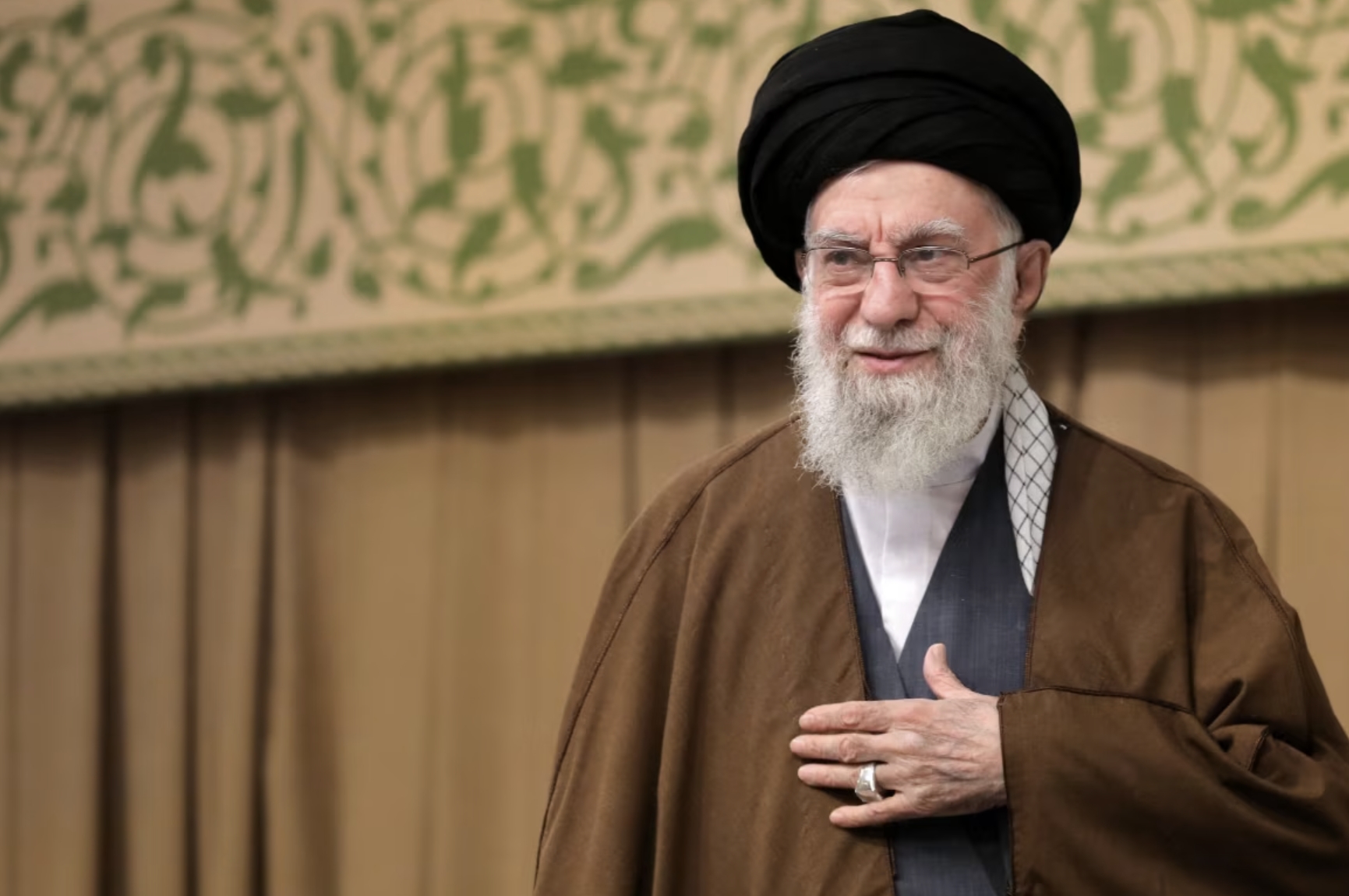
The death of Iran’s Supreme Leader Ali Khamenei marks a historic moment. Khamenei led Iran for nearly four decades, shaping its internal politics and foreign relations. His killing in an airstrike has intensified conflict between Iran and the US-Israel alliance. The event raises questions about Iran’s future, regional stability, and global consequences.
Iran’s Leadership and Succession
Khamenei succeeded Ayatollah Khomeini in 1989, solidifying Iran’s theocratic rule. He built a powerful military and proxy network called the Axis of Resistance. After his death, Iran’s Assembly of Experts will select a successor. Possible candidates are loyal clerics close to Khamenei, including Mohsen Qomi, Mohsen Araki, and Gholam Hossein Mohseni Ejei. There is also talk of collective leadership or a military figure like Ali Larijani. The regime is preparing for continuity but faces risks of instability or military takeover.
Regional Tensions and Conflict
Iran has attacked US bases in six Gulf countries, escalating regional tensions. Saudi Arabia and the UAE have shown signs of unity amid the crisis. Iran’s actions threaten Gulf security and global energy routes. The Strait of Hormuz, vital for 20% of world oil trade, remains a critical flashpoint. The conflict risks dragging the Middle East into prolonged instability with global ripple effects.
Global and Indian Implications
Iran’s instability affects global energy security. A blockade of the Strait of Hormuz could disrupt oil and gas supplies worldwide. India faces serious challenges as it relies heavily on Gulf energy imports and has a large diaspora in the region. Remittances from Gulf countries form a major part of India’s foreign earnings. India’s diplomatic balancing act will be crucial amid US sanctions and shifting alliances.
Possible Future Scenarios for Iran
Three main outcomes are possible – regime continuity under a new Supreme Leader, a military takeover by the IRGC, or regime collapse. While the US and Israel may seek regime change, Iran’s vast territory and military strength complicate this. Any collapse would require a new leadership acceptable to Iranians and external powers. The future remains uncertain with high stakes for regional and global peace.
Topics for Prelims:
Ali Khamenei
- Supreme Leader of Iran from 1989 to 2026.
- Former President of Iran (1981–1989).
- Established the Axis of Resistance proxy network.
- Oversaw the Islamic Revolutionary Guard Corps (IRGC).
- Crushed political dissent and large protests in Iran.
Islamic Revolutionary Guard Corps (IRGC)
- Elite military force founded after the 1979 Revolution.
- Key player in Iran’s regional proxy wars.
- Involved in suppressing domestic protests.
- Led by commanders killed recently in the conflict.
- Potential actor in military takeover scenario.
Strait of Hormuz
- 21-km wide chokepoint between the Persian Gulf and Gulf of Oman.
- Transits about 20% of global oil supply.
- Strategic maritime route for Iran and Gulf countries.
- Frequently threatened during Middle East conflicts.
- Closure would impact global energy markets severely.
Questions for Mains:
- Critically discuss the role of Supreme Leaders in shaping Iran’s domestic and foreign policy since 1979. [GS-II-International Relations]
- Analyse the strategic importance of the Strait of Hormuz and its impact on global energy security, with examples from recent conflicts. [GS-I-World & Physical Geography]
- With suitable examples, discuss the implications of military influence in civilian governance in countries like Iran and Pakistan. [GS-II-Constitution of India & Polity]
- Examine the challenges faced by India in balancing its energy security and diaspora welfare amid Middle East geopolitical tensions. [GS-III-Economic Development]
Answer Hints:
1. Critically discuss the role of Supreme Leaders in shaping Iran’s domestic and foreign policy since 1979. [GS-II-International Relations]
- Supreme Leader as the highest authority post-1979 Revolution, combining religious and political power.
- Ayatollah Khomeini (1979-1989) established the theocratic system and anti-Western foreign policy.
- Ali Khamenei (1989-2026) consolidated power, expanded IRGC and proxy networks (Axis of Resistance) in the region.
- Supreme Leaders controlled domestic dissent through suppression of protests and opposition (e.g., recent 2022-23 protests crackdown).
- Directed foreign policy focused on opposing US and Israel, supporting regional allies (Hezbollah, Syria, Iraq militias).
- Role in balancing continuity vs. change in regime, influencing succession and regime stability.
2. Analyse the strategic importance of the Strait of Hormuz and its impact on global energy security, with examples from recent conflicts. [GS-I-World & Physical Geography]
- Strait of Hormuz is a 21-km wide chokepoint between Persian Gulf and Gulf of Oman, critical for maritime oil transit.
- About 20% of global oil supply passes through, linking major producers (Saudi Arabia, Iran, UAE) to world markets.
- Closure or disruption (e.g., Iranian threats/blockades) can cause global oil price spikes and energy insecurity.
- Recent conflicts – Iran’s attacks on US bases in Gulf states and threats to shipping raise risk of closure.
- US and allies maintain naval presence to secure passage, denoting geopolitical volatility of the strait.
- Impact on energy-importing countries (India, Europe, China) puts stress on global interdependence.
3. With suitable examples, discuss the implications of military influence in civilian governance in countries like Iran and Pakistan. [GS-II-Constitution of India & Polity]
- In Iran, IRGC acts as a parallel military and political power, suppressing dissent and influencing leadership succession.
- IRGC’s role in internal security and foreign proxy wars blurs civilian-military boundaries.
- Pakistan’s military has historically controlled civilian governments, influencing policy and governance behind the scenes.
- Military dominance often leads to weakened democratic institutions and reduced civilian oversight.
- Examples – Iran’s possible military takeover scenario; Pakistan’s repeated military coups and shadow governance.
- Challenges include accountability deficits, politicization of armed forces, and impact on civil liberties.
4. Examine the challenges faced by India in balancing its energy security and diaspora welfare amid Middle East geopolitical tensions. [GS-III-Economic Development]
- India imports ~60% of energy from Gulf region, including 50% oil and 70% LNG, making energy security vulnerable to Middle East conflicts.
- About 9 million Indian diaspora reside in Gulf countries, whose safety and remittances are vital for India’s economy.
- Remittances from Gulf contribute ~38% of India’s total remittances, supporting millions of families domestically.
- Geopolitical tensions (e.g., Iran-US conflict) threaten both energy supply chains and diaspora safety.
- India faces diplomatic tightrope between US sanctions on Iran and maintaining ties with Gulf states and Iran.
- Need for strategic diversification of energy sources and enhanced consular support for diaspora amid instability.