
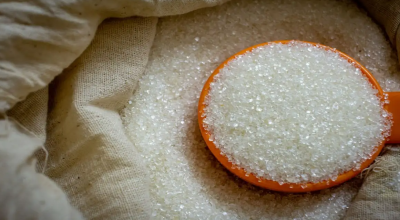
On 13 May 2026, the Directorate General of Foreign Trade (DGFT) amended the export policy for raw, white, and refined sugar from the “Restricted” category to “Prohibited” with immediate effect until 30 September 2026. This regulatory intervention freezes outbound shipments to safeguard domestic supply, manage local food inflation, and counter rising global commodity pressures. The suspension follows a series of previous quotas that allowed mills to export up to 1.59 million metric tonnes for the current marketing season. By locking down current domestic stocks, the government aims to create a multi-year buffer against anticipated lower production, geopolitical disruptions to agricultural inputs, and brewing meteorological uncertainties.
Regulatory and Constitutional Framework
The governance, production, and trade of sugar in India involve overlapping constitutional provisions and specialized executive bodies under the Central Government.
Administrative and Constitutional Jurisdiction
- Concurrent List Competence: Sugarcane and the sugar industry fall under Entry 33 of List III (Concurrent List) of the Seventh Schedule of the Constitution of India, granting both Parliament and State Legislatures legislative authority over production, supply, and distribution.
- Nodal Regulatory Authority: The Directorate General of Foreign Trade (DGFT), an attached office under the Ministry of Commerce and Industry, regulates foreign trade policies and issues modifications to product classifications like restricted or prohibited lists.
- Essential Commodities Act, 1955: Sugar and sugarcane are categorized as essential commodities under this Act. The government uses the statute to enforce stock limits on mills, regulate wholesale inventory, and implement a monthly domestic release mechanism to control retail price volatility.
Categorized Exemptions Under the Ban
The DGFT notification outlines specific legal exemptions where outbound shipments are permitted despite the general prohibition:
- Preferential Quotas to Western Markets: Shipments destined for the United States under the Tariff Rate Quota (TRQ) and the European Union under CXL concessions remain permitted at low or zero customs duties.
- Advance Authorisation Scheme: Re-exporting sugar processed from imported raw materials remains permitted under the operational guidelines of the Foreign Trade Policy 2023.
- Sovereign Food Security Commitments: Diplomatic government-to-government allocations are exempted on a case-by-case basis to assist vulnerable importing nations.
- Active Pipeline Consignments: Shipments where physical loading on vessels commenced, or customs shipping bills were officially validated prior to the issuance of the notification, are permitted to proceed.
Strategic Factors Behind the Export Prohibition
The transition toward an outright ban on sugar exports stems from multiple internal structural pressures, administrative verification gaps, and external economic developments.
Agro-Climatic Threats and El Niño Predictions
Global meteorological agencies predict the development of a moderate-to-strong El Niño phenomenon persisting through late 2026. While the current standing sugarcane crop remains stable due to adequate reservoir levels, a suppressed Southwest Monsoon threatens the primary planting window for subsequent agricultural cycles. Sugarcane features an extended vegetative growth phase, requiring 11 to 12 months in North India and up to 18 months for specialized crops in Maharashtra. Early moisture deficits would contract national supplies, forcing the government to retain current stock surpluses.
Geopolitical Vulnerabilities and Input Shortages
The escalation of geopolitical conflicts in West Asia threatens sensitive maritime trade chokepoints. Sugarcane is a water- and fertilizer-intensive crop requiring reliable, high-volume inputs of nitrogenous and phosphatic fertilizers. Structural blockages along key shipping routes risk interrupting fertilizer imports, driving up domestic cost of cultivation, and depressing future crop yields and sucrose recovery percentages.
Stock Asymmetry and Inflation Management
Sugar carries significant weight within the Consumer Price Index (CPI) food basket. Speculative hoarding risks could exacerbate broader inflationary pressures linked to global crude oil and currency fluctuations. Additionally, administrative assessments revealed discrepancies between digital inventory ledgers filed by individual sugar mills and the actual physical stock held within their respective storage facilities. The trade prohibition mitigates the risk of unexpected local supply deficits.
Ethanol Blending Program Diversion Priorities
The government’s ongoing target of achieving 20 percent ethanol blending in petrol alters the supply matrix of the sugar sector. Sugar mills continue to divert sugarcane juice, B-heavy molasses, and C-heavy molasses away from crystal sugar production toward ethanol distillation. This strategic fuel-security initiative creates a supply balancing challenge, leaving less surplus sucrose available for the international commercial trade arena.
Comparative Architecture of Major Global Exporters
| Country Sector | Global Export Standing | Dominant Sugarcane Cultivation Zone | Key Trade Impact of Indian Ban |
| Brazil | 1st Largest Exporter | South-Central Region (Sao Paulo) | Gains higher global market share; commands increased pricing power on international exchanges. |
| India | 2nd Largest Exporter | Sub-Tropical (Uttar Pradesh) & Tropical (Maharashtra, Karnataka) | Eradicates export arbitrage; prioritizes domestic release over global supply chains. |
| Thailand | 3rd Largest Exporter | Central Plains and Isan Region | Diverts regional Asian buyers away from Indian logistics networks to Thai ports. |
Regional Dynamics of Indian Sugar Production
The domestic sugar sector features distinct geographic divisions that influence yields, crushing seasons, and production costs.
Sub-Tropical Formations (North India)
- Core Hubs: Uttar Pradesh, Bihar, Punjab, and Haryana.
- Geographic Characteristics: Located in the fertile alluvial tracts of the Indo-Gangetic plains, but constrained by extreme temperature variations between summer and winter.
- Operational Limits: The crushing season is shorter, typically spanning from November to April. The sub-tropical varieties exhibit lower sucrose content and lower sugar recovery rates per tonne of cane crushed compared to southern variations.
Tropical Formations (South and West India)
- Core Hubs: Maharashtra, Karnataka, Tamil Nadu, and Gujarat.
- Geographic Characteristics: Benefiting from a moderate maritime climate, high relative humidity, and long sunshine hours ideal for vegetative elongation.
- Operational Limits: Supported by expansive cooperative-run milling systems, a longer crushing window, and modern industrial infrastructure yielding superior sucrose content.
IASPOINT Booster Facts for UPSC
- Fair and Remunerative Price (FRP): The statutory minimum price that sugar mills must pay to sugarcane farmers. It is announced by the Cabinet Committee on Economic Affairs (CCEA) based on recommendations from the Commission for Agricultural Costs and Prices (CACP).
- State Advised Price (SAP): Enacted by specific state governments (such as Uttar Pradesh and Punjab), the SAP is generally higher than the central FRP, leading to localized pricing distortions and cane arrears.
- International Price Spikes: Following the DGFT announcement, raw sugar futures rose by more than 2 percent on the New York exchange (ICE), while white sugar futures increased by roughly 3 percent on the London exchange.
- Sugarcane Agro-Climatic Requirements: The crop requires a tropical or sub-tropical climate with temperatures between 21°C to 27°C, annual rainfall between 75 cm and 100 cm, and deep, rich loamy soil.
- Major Importers Affected: The total halt of Indian trade impacts regional food inflation across the Global South, directly affecting importing nations including Somalia, Sudan, Yemen, Bangladesh, and Sri Lanka.
- WTO Agreement on Agriculture (AoA): Major agricultural exporting nations (including Australia and Guatemala) frequently challenge India’s sugar export curbs and domestic input subsidies at the World Trade Organization, claiming domestic protections distort international trade values.