
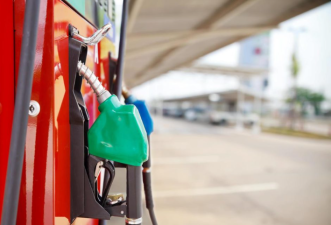
India has introduced a nationwide fuel mandate requiring petrol pumps to supply E20 petrol with a minimum octane rating of 95 RON. The move strengthens India’s ethanol blending programme and is aimed at cleaner transport, lower crude oil imports, and greater energy security. The fuel must also meet Bureau of Indian Standards specifications to ensure uniform quality across the country.
What the new mandate means
The Ministry of Petroleum and Natural Gas has directed oil companies to supply petrol blended with up to 20% ethanol. This is a major step in India’s shift towards alternative fuels. The mandate applies across the country, though limited exemptions may be allowed in specific regions or exceptional situations for a short period.
Why 95 RON matters
RON means Research Octane Number. A higher RON indicates better resistance to engine knocking. Knocking causes irregular combustion, lower efficiency, and possible long-term engine damage. Regular petrol in India has an octane rating of around 91–92 RON. Ethanol has a much higher octane level of about 108 RON, so blending it with petrol raises the overall octane value.
Impact on energy security and farmers
Ethanol blending reduces India’s dependence on imported crude oil. It also supports the farm economy because ethanol is produced from agricultural feedstock. The programme links energy policy with rural income generation and domestic value addition. The government has brought into light that the savings from reduced imports can stay within the economy rather than flowing abroad.
Broader significance for India
The E20 rollout is part of India’s wider clean energy transition. It supports lower emissions, improved fuel quality, and greater resilience in the transport sector. It also reflects the growing role of biofuels in national energy planning and the push for self-reliance in fuel supply.
Last Modified: April 28, 2026