
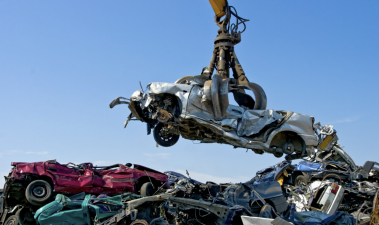
India is facing a growing end-of-life vehicle crisis, with the number of ELVs projected to rise sharply by 2030. A recent assessment marks that India’s testing, deregistration and scrapping systems are not expanding fast enough to match the scale of ageing vehicles. The issue has major implications for road safety, air pollution, recycling efficiency and regulatory enforcement.
What Are End-of-Life Vehicles?
End-of-life vehicles are those that are no longer validly registered, have been declared unfit by an authorised automated fitness centre or transport officer, or are voluntarily declared as waste by the registered owner. Such vehicles are typically old, unsafe and highly polluting. Older vehicles emit far more pollutants than newer ones, making their phase-out important for environmental and public safety reasons.
Scrappage Policy Framework
India launched the vehicle scrappage policy in 2021 to create a formal ecosystem for testing and recycling old vehicles. The policy requires private vehicles older than 20 years and commercial vehicles older than 15 years to undergo fitness tests or be deregistered and scrapped. It also offers incentives such as scrap value, fee waivers and tax rebates to encourage voluntary scrapping. The aim is to replace unsafe and polluting vehicles with cleaner alternatives.
Major Structural Gaps
The current system faces several bottlenecks.
- There are too few Automated Testing Stations to handle the expected volume.
- Registered Vehicle Scrapping Facilities are underused due to low inflow of vehicles.
- Deregistration procedures remain complex and slow.
- An informal scrapping sector continues to attract owners with higher payments.
- Many vehicles are scrapped without formal deregistration, creating legal and administrative gaps.
Policy and Administrative Concerns
India is expected to need around 500 Automated Testing Stations by 2027, but the existing network shows a large shortfall. Weak enforcement, limited awareness and inadequate financial incentives are pushing vehicles into informal channels. This weakens traceability and leaves registered owners legally responsible even after informal scrapping. The challenge now is to build a stronger formal ecosystem that can support circular economy goals in the automobile sector.
Last Modified: April 27, 2026