
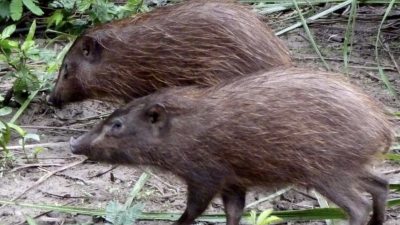
The pygmy hog, scientifically known as Porcula salvania, is the smallest and rarest wild pig species in the world. It survives only in the tall wet grasslands of Assam, mainly in Manas and Orang national parks. Once spread across the sub-Himalayan grasslands of northern India and Nepal, the species has now become a key indicator of grassland health and ecosystem quality.
Species Profile and Habitat
The pygmy hog is extremely small compared with a wild boar. Adult males weigh only about 8-9 kg. It feeds on roots, tubers, wild fruits, termites, earthworms and eggs. Its foraging helps aerate the soil and disperse seeds. The species depends on healthy tall wet grasslands, which also help regulate floods and support groundwater recharge.
Threats to Survival
The species is under severe threat due to habitat loss and degradation. Major pressures include:
- Uncontrolled grass burning.
- Illegal cattle grazing.
- Habitat succession that changes open grasslands into unsuitable vegetation.
Wild population estimates remain uncertain, but fewer than 350 individuals may survive. The loss of grasslands also affects local ecological balance and farming communities.
Conservation Efforts in Assam
Concerted conservation work began in 1995 with the launch of the Pygmy Hog Conservation Programme. A captive breeding centre was set up in Guwahati after six wild hogs were brought from Manas in 1996. The programme now maintains around 90 hogs in captivity and has reintroduced 179 hogs into four protected areas in Assam over two decades. Before release, the animals are trained at a pre-release centre near Nameri National Park.
Current Status and Risks
Reintroduced hogs in Orang National Park are breeding and expanding, with the population now crossing 250 individuals. However, the species remains highly vulnerable to domestic pig diseases, especially African swine fever. Strong biosecurity at breeding centres is essential to protect the captive population and support long-term recovery of the species.
Last Modified: April 27, 2026