
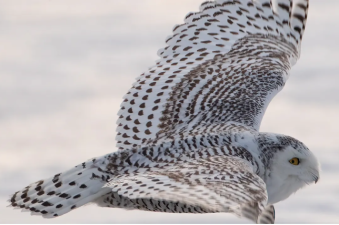
The United Nations has approved international protection measures for 40 animal species and populations under the Convention on the Conservation of Migratory Species of Wild Animals (CMS). The decision covers iconic and threatened wildlife such as the snowy owl, cheetah, great hammerhead shark, giant otter and striped hyena. The move is aimed at strengthening coordinated conservation action across borders for migratory species facing decline.
CMS Decision and Scope
The CMS meeting approved new protections for species listed as either:
- species in danger of extinction
- species in need of coordinated international action
The convention focuses on migratory animals that move across national boundaries and depend on multiple habitats for survival. The latest measures expand the global framework for protecting species whose populations are under pressure from habitat loss, hunting, bycatch, climate change and other threats.
Key Species Covered
The newly protected list includes several widely recognised species and groups:
- Snowy owl
- Cheetah
- Great hammerhead shark
- Giant otter
- Striped hyena
- Several shorebird species
These species represent both terrestrial and marine biodiversity. Their inclusion reflects concern over declining populations and the need for coordinated conservation planning across range states.
Multispecies Conservation Plans
The CMS also introduced multispecies conservation plans for the Amazon region. Such plans are designed to protect multiple species and their shared ecosystems together rather than treating each species separately. This approach is important for migratory wildlife that depends on connected habitats, river systems, forests and coastal zones.
Significance for Global Wildlife Protection
The decision marks the growing role of international treaties in biodiversity conservation. Migratory species often require action by several countries at once, making domestic protection alone insufficient. The new measures are expected to support habitat protection, reduce direct threats and improve cross-border cooperation for species already under stress.
Last Modified: April 28, 2026