
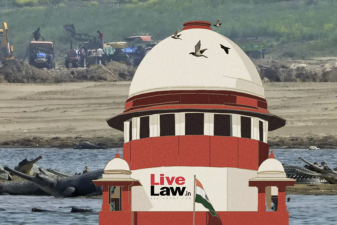
The Supreme Court has taken suo motu cognisance of the threat posed by illegal sand mining to the National Chambal Sanctuary, a fragile riverine ecosystem spread across Rajasthan, Madhya Pradesh and Uttar Pradesh. The sanctuary is a key habitat and breeding ground for the critically endangered gharial. The court moved after reports brought into light severe ecological damage, habitat loss and continued mining pressure despite earlier regulatory action.
Why the Sanctuary Matters
The National Chambal Sanctuary is India’s first and only tri-state riverine protected area. It covers a large arc of the Chambal River and protects nearly 600 km of the river stretch within the three states. The sanctuary was notified in Madhya Pradesh on 20 December 1978. It is one of the most important freshwater ecosystems in northern India.
Impact of Illegal Sand Mining
Illegal mining has altered the river’s morphology and reduced its water-retaining capacity. It has damaged sand banks used by nesting species and disturbed aquatic life. The gharials were reportedly shifted from their original habitat, but mining activity later spread to the new location as well. Organised sand mafias have used tractors, trucks and unregistered vehicles to avoid detection. Low river flow and exposed sand banks have allowed mining to continue through much of the year.
Biodiversity at Risk
The sanctuary supports a wide range of species beyond gharials. These include marsh crocodiles, freshwater turtles, smooth-coated otters, Gangetic river dolphins, Indian skimmers, black-bellied terns, sarus cranes and black-necked storks. The area is therefore important for river ecology, wetland conservation and endangered species protection.
Earlier Regulatory Concerns
The National Green Tribunal had already taken note of the issue in 2022 and directed periodic monitoring and control of illegal mining. Conservation assessments had identified sand mining as the biggest threat to the sanctuary. The latest judicial intervention seeks stronger protection for the Chambal ecosystem and stricter enforcement against illegal extraction.
Last Modified: April 29, 2026