
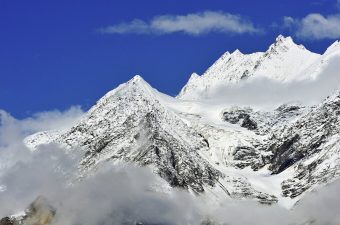
The seasonal snow persistence in the Hindu Kush Himalaya (HKH) region fell to 27.8% below normal in 2026. This was the lowest level recorded in more than two decades of monitoring. The HKH spans Afghanistan, Bangladesh, Bhutan, China, India, Myanmar, Nepal and Pakistan, and it contains the headwaters of 12 major river basins.
Hindu Kush Himalaya Region
The Hindu Kush Himalaya is a transboundary mountain system that extends for about 3,500 kilometres across eight countries. It includes the Himalaya, Hindu Kush, Karakoram, Pamir and related ranges. The region is a major source of snow and glacier-fed rivers in Asia.
Snow Persistence And River Basins
- Snow persistence refers to the duration and extent of snow cover on the ground during a season.
- Ten of the 12 major river basins in the HKH region recorded below-normal snow persistence in 2026.
- The Mekong basin recorded a decline of 59.5%, and the Tibetan Plateau recorded a decline of 47.4% by 24 April 2026.
- The Irrawaddy basin recorded 21.8% above-normal snow levels, and the Ganga basin recorded 16.3% above-normal snow levels.
Hydrological Importance
Snow cover in the HKH region contributes to seasonal river flow, groundwater recharge and summer water availability. Nearly two billion people depend on water from the 12 major river basins originating in the HKH. Reduced snow accumulation can affect agriculture, hydropower generation and dry-season water supply in downstream areas.
Western Disturbances And Snowfall
Western Disturbances are eastward-moving weather systems that originate over the Mediterranean region and bring winter precipitation to north-western India and the western Himalaya. Prolonged absence of Western Disturbances and rising temperatures are linked with reduced snowfall and faster snowmelt in the Himalayan region.
Last Modified: April 25, 2026