
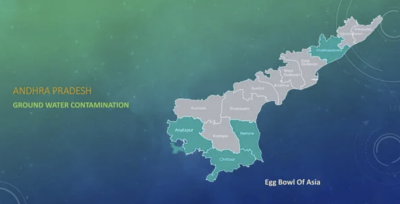
Andhra Pradesh has emerged as one of the States with widespread groundwater contamination, according to the Annual Ground Water Quality Report-2025 prepared by the Central Ground Water Board. The report marks multiple water quality concerns, including high electrical conductivity, fluoride, nitrate, arsenic and uranium in several districts. It also notes that monsoon recharge has brought limited, temporary improvement in some areas by diluting salts and reducing contamination levels.
Key Water Quality Concerns
- High electrical conductivity indicates salinity stress in groundwater.
- Fluoride levels above the permissible limit were found in hard rock aquifers.
- Nitrate contamination was linked to intensive farming and waste disposal.
- Seawater intrusion was reported in coastal aquifers.
Uranium and Heavy Metal Hotspots
The report identified sporadic uranium concentrations above 30 ppb in Andhra Pradesh and four other States, including Telangana. In Andhra Pradesh, 16 villages were marked as uranium hotspots. These include villages in Annamayya, Kurnool, Sri Sathya Sai and Tirupati districts. The report also flagged five arsenic hotspots in Bapatla, Guntur, Nellore, Palnadu and Prakasam districts, where arsenic levels exceeded 10 ppb.
Causes of Contamination
Groundwater quality deterioration in Andhra Pradesh is linked to both natural and human factors. Over-extraction of groundwater in hard rock areas has increased the mobilisation of fluoride-bearing minerals. In coastal areas, seawater intrusion has raised salinity. High nitrate levels are associated with excessive fertiliser use, intensive agriculture, and improper disposal of domestic and animal waste.
Policy and Public Health Significance
The findings are important for public health, drinking water planning and groundwater regulation. Contaminated groundwater can affect human health through long-term exposure to fluoride, arsenic, uranium and nitrates. The report underlines the need for stronger monitoring, source protection, safe drinking water supply, and sustainable groundwater management in vulnerable districts.
Last Modified: April 25, 2026