
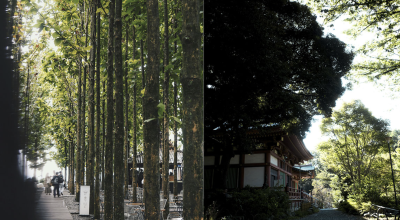
The Miyawaki method is being used in cities where green cover has declined sharply over time. It offers a compact way to grow dense native forests on small plots of degraded urban land. The technique is designed for fast establishment, not decorative landscaping. It is now being tested by planners, schools and local groups as a response to heat, pollution and poor soil in built-up areas.
Origin and Core Idea
The method was developed by Japanese botanist Akira Miyawaki. It is based on the idea of potential natural vegetation, meaning the plant community that would dominate without human disturbance. Instead of planting a few species in neat rows, the method uses many native species together. Competition among plants helps the forest grow vertically and establish quickly.
Soil Preparation and Plant Density
Soil preparation is central to the technique. Urban soil is often compacted, dry and low in organic matter. It is loosened and enriched with compost to improve root growth and water retention. Saplings are then planted very close together, often several per square metre. This dense spacing encourages rapid canopy formation and reduces weed growth after the initial phase.
Biodiversity and Urban Benefits
The method uses native trees, shrubs and ground plants in multiple layers. This layered structure supports insects, birds and other small wildlife. Dense vegetation can also improve local air quality by trapping fine particles. In addition, the thick canopy reduces surface heat and can lower temperatures around roads, schools and housing areas.
Limitations and Practical Challenges
The method has limits despite its popularity. It needs careful soil work, which raises cost and labour requirements. The first two years require monitoring and watering. It also needs suitable land, which is often scarce in cities. The forests are not meant for recreation, so public acceptance may vary. Long-term performance still depends on climate, site conditions and maintenance quality.
Last Modified: April 27, 2026