
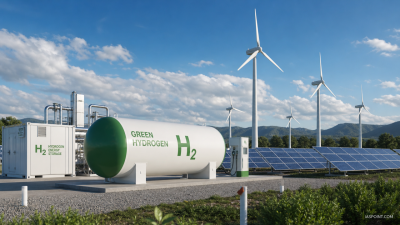
The 2nd Bharat Green Hydrogen Summit convened in New Delhi recently, organised by FICCI to discuss green hydrogen production, hydrogen mobility and export competitiveness. The summit released the FICCI‑EY strategic report and reiterated India’s target to capture about 10% of the global green hydrogen market by 2030.
What is the issue
Green hydrogen is produced by electrolysis of water using renewable electricity. It is a low‑carbon energy carrier suited to refining, fertiliser synthesis (green ammonia), steelmaking (DRI feedstock), long‑duration storage and heavy transport. India is building production, manufacturing and hub infrastructure to enter global supply chains.
Why it matters
Green hydrogen affects governance, economy, environment and technology. It can reduce industrial carbon emissions, create manufacturing and export opportunities, require large renewable capacity and grid integration, and entail new safety and trade standards. Strategic adoption affects energy security and international partnerships.
Technical foundations and decarbonisation potential
Electrolysis splits H2O into H2 and O2. Main electrolyser technologies: PEM, alkaline and solid oxide. PEM offers rapid response and high purity; alkaline is mature and lower cost. Green hydrogen can directly replace fossil hydrogen in refineries and fertiliser plants, act as a reducing agent in DRI steelmaking, and provide long‑duration energy storage for seasonal balancing.
- Applications: Refining (desulphurisation), fertiliser (green ammonia), steel (DRI), heavy transport (trucks, ships, trains), and energy storage.
- Efficiency constraint: Electrolysis-to-end‑use has conversion losses; coupling with cheap renewable electricity is essential for competitiveness.
Policy and industrial framework
The National Green Hydrogen Mission is the central policy instrument. Key elements include incentives for domestic electrolyser manufacturing, creation of hydrogen hubs near industry and ports, and demand stimulation through sectoral mandates.
- Target: Capture ~10% of the global green hydrogen market by 2030, as stated by industry leadership.
- Report support: The FICCI‑EY report maps export competitiveness, supply‑chain readiness and policy measures to lower levelised cost of hydrogen (LCOH).
- State action: Gujarat has a Green Hydrogen Policy leveraging coastline, ports and solar potential to attract production and export projects.
Hydrogen mobility and rail transport
India recently inaugurated its first indigenously developed hydrogen‑powered train on the Jind–Sonipat route. Key technical and operational facts:
- Technology: Train uses PEM fuel cells to generate electricity onboard by combining stored hydrogen with oxygen; only water vapour and heat are emitted.
- Manufacturing: Integral Coach Factory developed the train with system integration support from Medha Servo Drives.
- Infrastructure: Dedicated hydrogen storage and refuelling facility established and licensed by PESO for safe operations.
- Limitations: High capital cost for fuel cells, onboard storage and refuelling stations; energy chain efficiency lower than direct battery options for many short‑haul services.
Federal cooperation and governance
Success requires cooperative federalism.
- Union role: National policy, funding windows, standards, international trade negotiations and export promotion.
- State role: Land allotment, water allocation, grid interconnection permissions, local incentives and port facilitation.
- Coordination needs: Align Union subsidies with state port and tax incentives; harmonise safety and certification regimes; expedite environmental clearances for renewable and hub projects.
Export competitiveness and industrial ecosystem
Becoming a global supplier requires integrated measures.
- Supply chain: Scale domestic electrolyser manufacturing, electrolyser components and turbine/solar supply to reduce capex.
- Hubs: Establish export‑oriented hydrogen hubs near ports with cheap renewables and logistics.
- Trade and standards: Develop certification (green‑tagging), shipping protocols, and bilateral trade frameworks for hydrogen derivatives (ammonia, LOHCs).
- Finance: Reduce LCOH via capital subsidies, low‑cost debt, carbon credits and blended public–private financing.
Challenges and policy responses
| Challenge | Policy response |
|---|---|
| High production cost and LCOH | Subsidies for electrolysers, competitive renewables auctions and credit support |
| Electrolyser manufacturing scale | Incentives for local manufacturing, technology transfer and cluster development |
| Water and land availability | State land banks, desalination-linked water supply for coastal hubs |
| Safety, certification and refuelling infrastructure | National safety codes, PESO licensing frameworks, public funding for refuelling stations |
| Export market access and standards | Bilateral agreements, green hydrogen certification and conformity assessment bodies |
Stakeholders and institutions
- Government: Ministry of New and Renewable Energy (mission lead), state energy departments, PESO.
- Industry: Manufacturers, refineries, steel and fertiliser producers, ports and logistics firms.
- Research & finance: Research labs, universities, development banks and investors funding capex.
- International partners: Technology suppliers, buyers for exported hydrogen or derivatives, multilateral finance institutions.
Model Questions
1. Explain the technology behind green hydrogen production and evaluate its potential to decarbonise hard-to-abate sectors in India. [GS-III: Science & Technology]
Green hydrogen is produced by electrolysis, splitting water into H2 and O2 using renewable electricity; main electrolyser types are PEM, alkaline and solid oxide. Potential: replaces grey hydrogen in refining and fertiliser, acts as reducing agent in DRI steelmaking, and supplies long‑duration storage and heavy transport fuel. Constraints: high LCOH, renewable scale-up, electrolyser cost and supply chains. Policy must lower costs and create demand mandates.
2. Analyse the policy and infrastructural measures required for India to achieve a ten percent share of the global green hydrogen market by 2030. [GS-III: Economic Development]
Measures: scale electrolyser manufacturing through incentives and clustering; create export hubs near ports with dedicated renewable capacity; provide capital subsidies, low‑cost finance and blended instruments to reduce LCOH; implement green‑certification and international trade frameworks; stimulate domestic demand via sectoral mandates. States must offer land, water and transmission support. Public‑private partnerships and international offtake agreements will be essential.
3. Examine the technological and economic challenges in adopting hydrogen-based mobility in India, with special reference to rail transport. [GS-III: Science & Technology]
Challenges: fuel cell and storage capex, refuelling network costs, safety standards, and lower round‑trip efficiency versus battery options. Rail example: hydrogen train uses PEM fuel cells with onboard storage and dedicated refuelling, showing feasibility. Economic viability depends on hydrogen price, route length, refuelling density and lifecycle maintenance. Policy support needed for pilots, infrastructure grants and standards to scale adoption.
4. Assess the importance of federal cooperation between the Union and State governments in building a competitive green hydrogen ecosystem in India. [GS-II: Governance]
Federal cooperation is vital: Union sets mission, funding, standards and trade policy; states secure land, water, permits, grid access and local incentives. Harmonisation avoids regulatory bottlenecks and enables hub development near ports or industrial clusters. Coordinated incentives, fast clearances and shared infrastructure planning improve investor confidence and accelerate deployment across regions.
Last Modified: July 24, 2026