
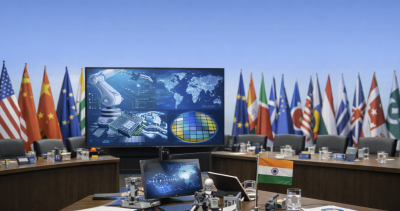
India has recently proposed a major initiative at the 14th Ministerial Conference of the World Trade Organization (WTO) held in Yaoundé, Cameroon, from 26-29 March 2026. The country circulated a draft ministerial declaration aimed at formalising and strengthening commitments on the transfer of advanced technologies to developing and least developed countries. This move marks India’s effort to institutionalise technology transfer within the multilateral trading system.
Context and Background
India’s proposal addresses the growing technology gap between developed and developing countries. It calls for a structured and time-bound process to facilitate access to advanced technologies, especially environmentally sound technologies (ESTs). India bases its draft on previous WTO ministerial declarations from Doha (2001) and Hong Kong (2005) that recognised the need for technology transfer to support development.
Key Proposals by India
India urges the WTO’s working group on trade and technology transfer to focus on challenges faced by developing countries in accessing and using advanced technologies. It seeks a detailed review of technology-related provisions in WTO agreements like TRIPS, GATS, Agriculture, TBT, and SPS. India also wants practical recommendations and a timeline for technology transfer to be presented at the next ministerial conference. The proposal includes making technology transfer a permanent agenda item in the WTO General Council.
Significance of the Proposal
The proposal comes amid global concerns over supply-chain resilience, export controls, and access to strategic technologies such as semiconductors and green tech. Access to these technologies is crucial for countries to improve trade competitiveness, meet climate goals, and comply with technical standards. India’s move aims to frame technology transfer as a trade and development issue, ensuring developing countries are not left behind in global trade.
Global Trade and WTO Role
The WTO, with 164 members, governs international trade rules, negotiates agreements, and resolves disputes. India’s proposal seeks to bring development concerns back to the core of WTO discussions. It reflects a broader demand among developing countries for fairer access to technology to enhance their participation in high-value trade sectors.
Topics for Prelims:
WTO and Ministerial Conferences
- WTO has 164 member countries.
- Ministerial Conferences are the highest decision-making body.
- 14th Ministerial Conference held in Yaoundé, Cameroon in 2026.
- Previous key declarations – Doha (2001), Hong Kong (2005).
- Focus on trade rules, dispute resolution, and development issues.
Technology Transfer in WTO
- Technology transfer involves sharing advanced technologies globally.
- Crucial for developing countries to improve trade competitiveness.
- Barriers include export controls, costs, and intellectual property rights.
- Relevant WTO agreements – TRIPS, GATS, Agriculture, TBT, SPS.
- India proposes making technology transfer a standing WTO agenda item.
Advanced and Environmentally Sound Technologies (ESTs)
- ESTs include green technologies and digital infrastructure.
- They help reduce environmental impact and boost sustainable growth.
- Access to ESTs is limited in developing countries.
- Critical for meeting climate-related trade requirements.
- India seeks structured discussions to improve EST access.
Questions for Mains:
- Discuss in the light of India’s 2026 WTO proposal the role of technology transfer in bridging global trade inequalities. [GS-II-International Relations]
- Critically examine the challenges posed by intellectual property rights to technology transfer under the WTO framework. [GS-II-Constitution of India & Polity]
- Explain the significance of environmentally sound technologies in global trade and climate policy, and discuss India’s approach to promoting their transfer. [GS-III-Environment & DM]
- With suitable examples, discuss the impact of supply-chain disruptions and export controls on developing countries’ access to advanced technologies and global trade competitiveness. [GS-III-Economic Development]
Answer Hints:
1. Discuss in the light of India’s 2026 WTO proposal the role of technology transfer in bridging global trade inequalities. [GS-II-International Relations]
- Technology transfer enables developing countries to access advanced technologies, improving their production capabilities and competitiveness.
- India’s proposal seeks a structured, time-bound process within WTO to facilitate technology transfer, addressing existing gaps.
- Bridging technology gaps helps developing nations move up the value chain and gain a fair share in global trade.
- Institutionalising technology transfer in WTO ensures sustained focus and monitoring of commitments.
- Historical WTO declarations (Doha 2001, Hong Kong 2005) emphasize special treatment and support for developing countries in technology access.
- Technology transfer supports inclusive development, reducing inequalities between developed and developing economies.
2. Critically examine the challenges posed by intellectual property rights to technology transfer under the WTO framework. [GS-II-Constitution of India & Polity]
- TRIPS Agreement under WTO sets stringent IP protections, limiting easy access to patented technologies.
- High costs and licensing fees restrict technology diffusion to developing countries.
- IP regimes can create monopolies, discouraging sharing of critical advanced and green technologies.
- Balancing innovation incentives and public interest remains a challenge within WTO negotiations.
- India’s proposal calls for detailed examination of TRIPS provisions to identify and reduce IP-related barriers.
- Flexibilities like compulsory licensing exist but are underutilized or contested politically.
3. Explain the significance of environmentally sound technologies in global trade and climate policy, and discuss India’s approach to promoting their transfer. [GS-III-Environment & DM]
- ESTs reduce environmental impact and help countries meet climate commitments and sustainable development goals.
- Access to ESTs enables compliance with technical standards and climate-related trade requirements globally.
- India marks ESTs as critical for green growth and integrating developing countries into the green economy.
- Proposal urges WTO to facilitate transfer of ESTs through structured discussions and practical recommendations.
- Promoting EST transfer supports climate resilience and technology-driven economic transformation in developing nations.
- India’s approach links trade policy with environmental sustainability and development priorities.
4. With suitable examples, discuss the impact of supply-chain disruptions and export controls on developing countries’ access to advanced technologies and global trade competitiveness. [GS-III-Economic Development]
- Supply-chain disruptions (e.g., semiconductor shortages) limit availability of critical inputs for developing countries’ industries.
- Export controls by developed countries on strategic materials (like rare earths) restrict technology diffusion.
- These barriers increase costs and delay technology adoption, hampering competitiveness in global markets.
- Example – COVID-19 pandemic exposed vulnerabilities in supply chains affecting technology access worldwide.
- India’s WTO proposal seeks to address these challenges through institutional mechanisms and policy coordination.
- Improved access to advanced technologies helps developing countries diversify exports and comply with global standards.