
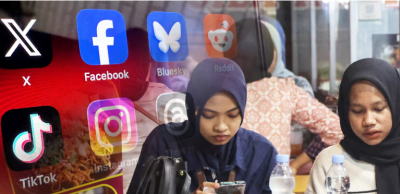
Indonesia has begun enforcing a new regulation that restricts children below 16 from accessing digital platforms that may expose them to pornography, cyberbullying, scams and addictive content. The move makes Indonesia the first country in Southeast Asia to impose such a broad age-based restriction on platforms including YouTube, TikTok, Facebook, Instagram, Threads, X, Bigo Live and Roblox. The policy is being introduced gradually, with authorities asking platforms to comply with Indonesian law and adjust their services accordingly.
New Digital Safety Regulation
The regulation was approved earlier this month and came into effect on Saturday. It targets high-risk digital platforms that can expose children to strangers, predators, harmful content, exploitation and data security risks. Authorities have said the measure applies to around 70 million children in Indonesia, a country of about 280 million people.
Compliance and Enforcement Plan
The government has directed all digital platforms operating in Indonesia to bring their products, features and services into line with the new rules. Platforms are expected to support a self-assessment approach and report deactivated under-16 accounts. Officials have acknowledged that enforcement will be difficult, but have said the policy is necessary to protect children from online harm.
Concerns Over Addiction and Mental Health
Supporters of the move argue that children are spending excessive time on phones and social media. Parents and child-safety advocates have linked heavy online use with addiction, reduced family interaction, anxiety and depression. At the same time, some experts note that digital platforms also support learning and communication, making parental supervision and age-appropriate guidance important.
Global Trend in Child Online Protection
Indonesia’s step follows Australia’s world-first social media ban for children, introduced in December. Other countries, including Spain, France and the United Kingdom, are also considering tighter restrictions on children’s access to social media. The debate reflects growing concern over the impact of unregulated online content on minors.
Last Modified: April 29, 2026