
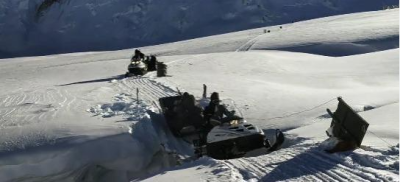
Operation Meghdoot completed 42 years on 13 April, a date observed as Siachen Day. The operation began in 1984 when Indian Army and Indian Air Force personnel moved to the Siachen Glacier to secure the strategic heights in northern Ladakh. The day is remembered for the capture and continued defence of the world’s highest battlefield, where troops operate in extreme cold, thin air and difficult terrain.
What Operation Meghdoot Achieved
Operation Meghdoot was launched to prevent Pakistan from strengthening its claim over the Siachen region. Indian forces occupied key glacier positions and established control over the commanding heights. The move altered the military balance in the area and remains one of India’s most high-altitude operations.
Role of the Indian Air Force
The Indian Air Force played important role in airlifting troops, equipment and supplies to the glacier. Helicopters and transport aircraft supported the operation by carrying men and material to high-altitude airfields and forward posts. The IAF also continues to provide casualty evacuation, logistics support and operational sustainment in the sector.
Siachen’s Strategic and Operational Importance
Siachen is one of the most difficult military environments in the world. Temperatures fall far below freezing, and weather conditions often restrict movement and supply lines. Control over the glacier is important because it dominates approaches to northern Ladakh and remains a sensitive zone in India’s border security framework.
Legacy of Siachen Day
Siachen Day is observed to honour soldiers and air warriors who have served in the glacier region. It also commemorates those who lost their lives while defending the icy heights. The anniversary marks endurance, joint operations and the long-term demands of maintaining readiness in high-altitude warfare.
Last Modified: April 27, 2026