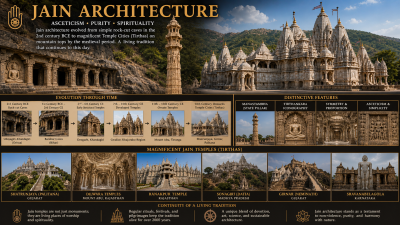
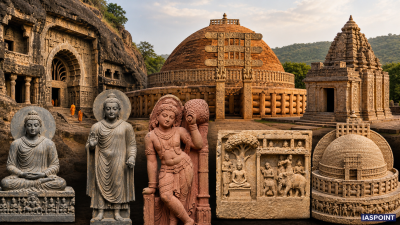
Jain architecture, while sharing aesthetic similarities with Buddhist and Hindu styles, is distinguished by its unique iconographic requirements and emphasis on asceticism, structural purity, and the "Manastambha." It...
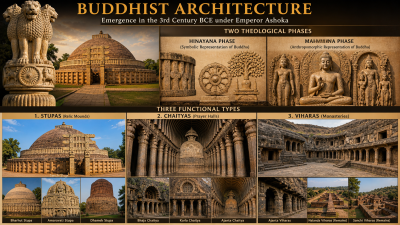
Buddhist architecture emerged as a distinct style in the 3rd century BCE under the patronage of Emperor Ashoka. It evolved through two primary theological phases: the Hinayana phase...
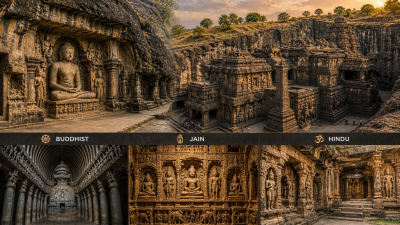
Rock-cut architecture represents the most spectacular manifestation of Indian art, where entire structures were carved out of solid natural rock. Unlike structural architecture, which involves assembling components, rock-cut...
The Gupta Period (c. 319–550 CE) is heralded as the "Golden Age" of Indian architecture. This era marked the culmination of a long architectural evolution, transitioning from the...
Following the decline of the Mauryan Empire in the 2nd century BCE, the Indian subcontinent saw the rise of various regional powers such as the Shungas, Kanvas, Kushanas,...
Recent legal developments highlight the importance of digital access in India. The Supreme Court has ruled that digital access is an intrinsic component of the right to life...
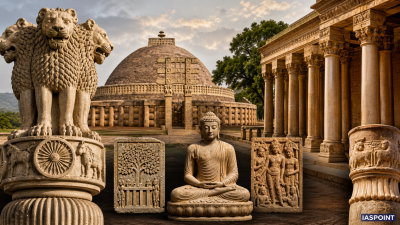
The Mauryan Empire (c. 322–185 BCE) marked a significant transition from the use of perishable materials like wood and bamboo to the permanent medium of stone. Under rulers...
The Indus Valley Civilization (IVC), also known as the Harappan Civilization (c. 2500–1900 BCE), represents the first urbanization in the Indian subcontinent. Flourishing in the basins of the...
As global interest in sustainable agriculture rises, millet is gaining traction as a viable alternative to paddy production in India. The millet market is expected to grow ,...
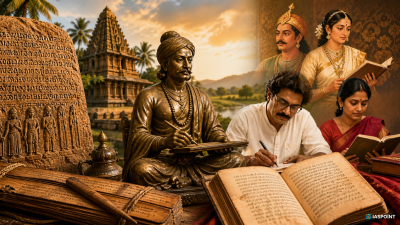
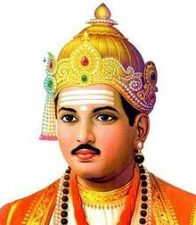
Basaveshwara, also known as Basavanna, continues to be celebrated for his deep impact on society and spirituality. His teachings remain relevant, inspiring movements for social equality and reform....