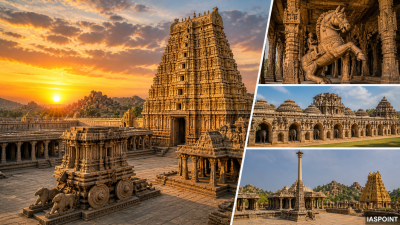
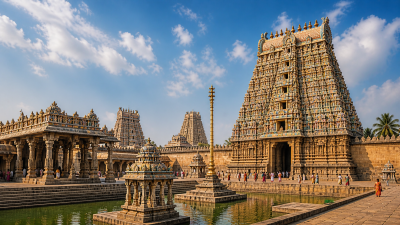
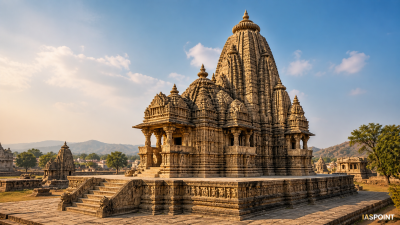
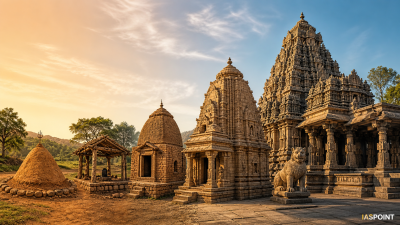
The Vijayanagara Empire (1336–1646 CE) represented the final great era of South Indian Hindu architecture. Based in the capital city of Hampi (on the banks of the Tungabhadra...
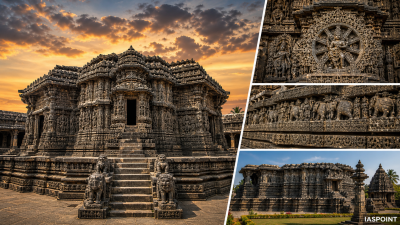
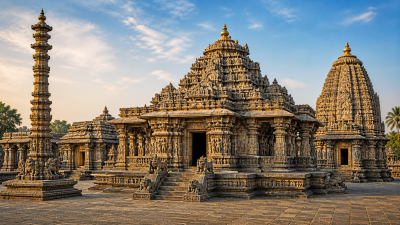
The Hoysala Empire (10th–14th century CE) ruled the region of Gangavadi in modern-day Karnataka. Emerging as subordinates to the Western Chalukyas, they eventually established an independent identity, peaking...
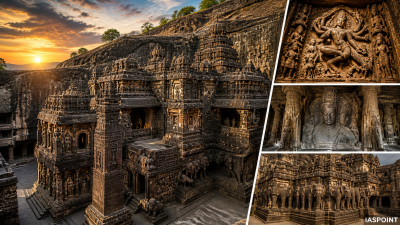
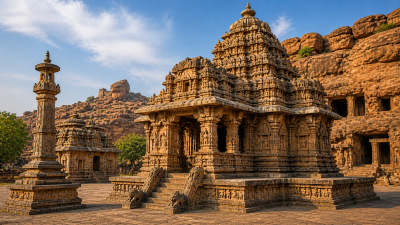
The Rashtrakutas (8th–10th Century CE) were the successors of the Badami Chalukyas in the Deccan. Their architectural legacy represents the high-water mark of Indian rock-cut architecture, primarily concentrated...
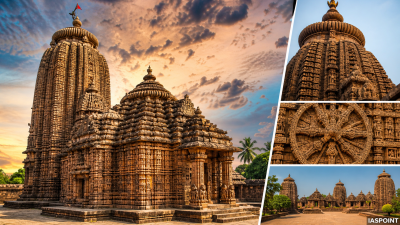
Kalinga architecture is a distinct sub-style of the Nagara (North Indian) school of temple architecture that flourished in the ancient Kalinga region (modern-day Odisha and parts of Northern...
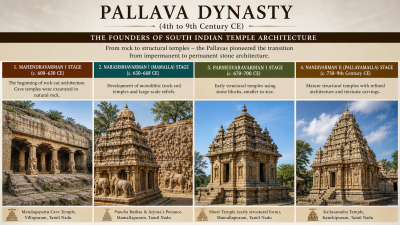
The Pallava dynasty (4th to 9th century CE) laid the foundational stone for South Indian temple architecture. Based in Kanchi (Kanchipuram) and the port city of Mamallapuram, the...
The Badami Chalukyas, also known as the Early Chalukyas, ruled from Vatapi (modern-day Badami) between the 6th and 8th centuries CE. Their reign marks a watershed moment in...
The Vesara style, often referred to as the "Hybrid" or "Deccan" style of Indian temple architecture, emerged between the 7th and 14th centuries CE. It represents a sophisticated...
Dravidian architecture, a distinct style of Hindu temple construction, flourished in South India between the 7th and 17th centuries CE. Unlike the Nagara style of the North, it...
The Nagara style is the dominant temple architecture of North India, emerging during the late Gupta period and reaching its zenith between the 7th and 14th centuries CE....
The Hindu temple, or Devalaya, evolved over two millennia from simple open-air mounds to the complex, multi-storied stone edifices seen across India. This architectural journey is categorized by...