Art Deco was a global design movement that reached India in the 1930s, representing a shift toward modernity, speed, and industrial progress. Unlike the revivalist Indo-Saracenic style, Art...
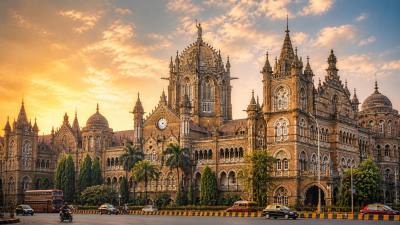
Indo-Saracenic architecture, also known as Indo-Gothic or Hindu-Gothic, was a revivalist architectural style used by British architects in India during the late 19th century. It was a conscious...
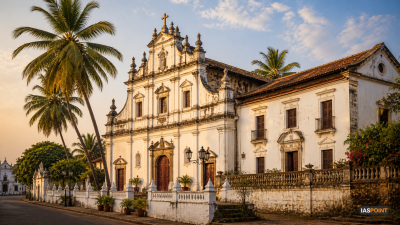
Indo-Portuguese architecture is a distinct colonial style that emerged following the arrival of Vasco da Gama in 1498 and the subsequent establishment of the Portuguese State of India...
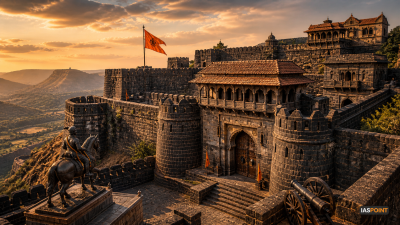
Maratha architecture emerged as a distinct style during the reign of Chhatrapati Shivaji Maharaj and reached its zenith under the Peshwas. Primarily concentrated in Maharashtra, it is characterized...
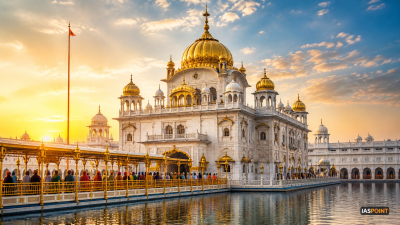
Sikh architecture is a unique and vibrant school of Indian structural design that emerged primarily in the Punjab region. It is characterized by its progressive eclectic nature, drawing...
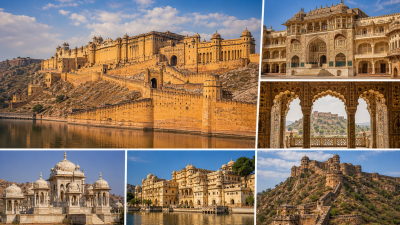
Rajput architecture is a prominent school of Indian architecture characterized by its defensive nature, grandeur, and integration with the rugged landscape of North and Western India. Primarily concentrated...
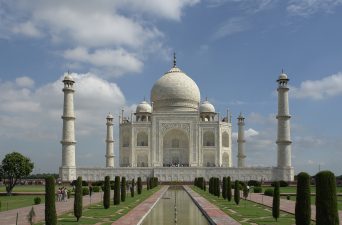
Mughal architecture represents the zenith of Indo-Islamic structural design, blending Persian, Turkic, and Central Asian styles with indigenous Indian craftsmanship. It is characterized by the extensive use of...
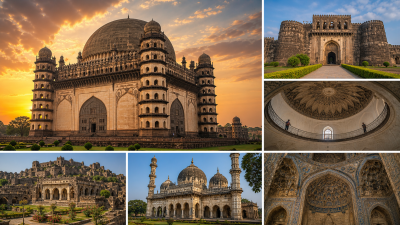
The Deccan Sultanate architecture (14th–17th Century CE) emerged following the disintegration of the Bahmani Kingdom into five independent principalities: the Adil Shahi (Bijapur), Qutb Shahi (Golconda), Nizam Shahi...
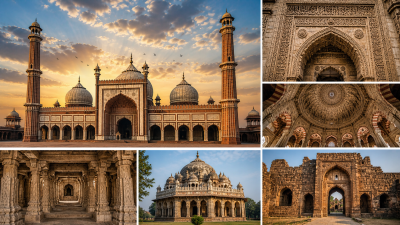
Indo-Islamic architecture emerged in India with the establishment of the Delhi Sultanate in the late 12th century. It is not a purely imported style but a composite aesthetic...
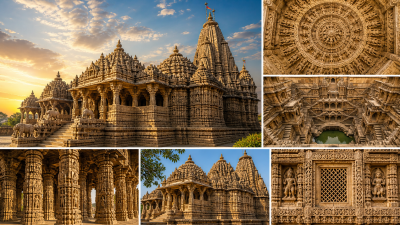
Māru-Gurjara architecture, also known as Solanki style, is a distinct category of Indian temple architecture that flourished in the states of Rajasthan and Gujarat between the 11th and...