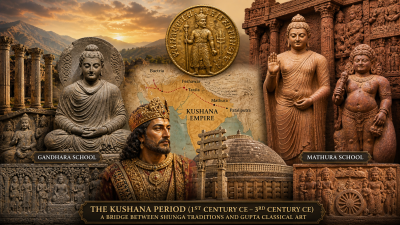
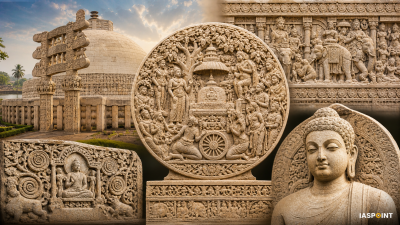
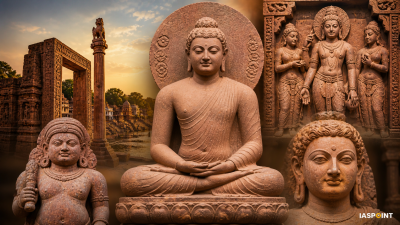
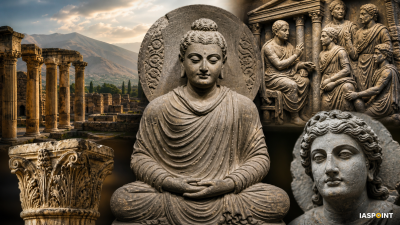
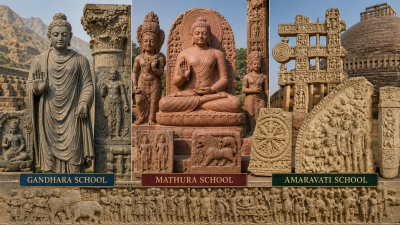
The Kushana Period (1st Century CE – 3rd Century CE) represents the "Golden Age" of early Indian sculpture, acting as a bridge between the archaic traditions of the...
The Amaravati School (2nd Century BCE – 3rd Century CE) represents the indigenous southern tradition of Indian sculpture. Developed in the Vengi region between the lower valleys of...
The Mathura School of Art (1st Century BCE – 3rd Century CE) emerged as a powerhouse of indigenous artistic expression centered around Mathura, Uttar Pradesh. Unlike the Gandhara...
The Gandhara School of Art (1st Century BCE to 5th Century CE) represents a unique synthesis of Indian Buddhist themes and Greco-Roman artistic styles. Flourishing primarily in the...
The collapse of the Mauryan Empire led to the rise of regional powers such as the Shungas, Kanvas, Kushanas, and Satavahanas. This era marked a shift from the...
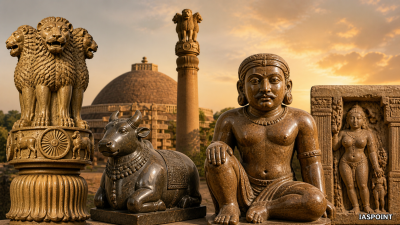
Mauryan art (4th to 2nd century BCE) marks a significant transition from the use of perishable materials like wood and clay to the permanent medium of stone. Under...
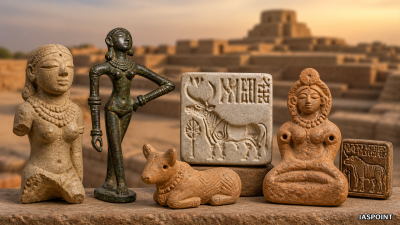
The Indus Valley Civilization (IVC), flourishing around 2500 BCE to 1700 BCE, represents the zenith of Bronze Age artistic achievement. Unlike the monumental architecture of contemporary Mesopotamia or...
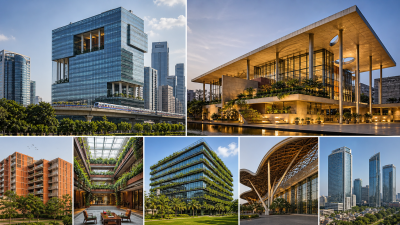
Contemporary architecture in India marks the transition from the austerity of the Post-Independence Modernist era to a pluralistic, technology-driven, and globally-aligned aesthetic. Since the economic liberalization of 1991,...
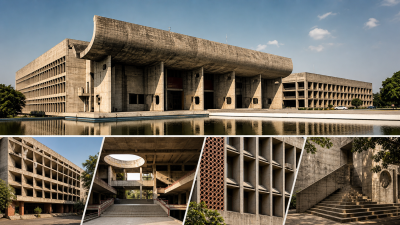
Brutalist architecture, a sub-set of the Modernist movement, flourished in India between the 1950s and 1980s. Characterized by "Béton brut" (raw concrete), the style emphasized structural honesty, monumental...
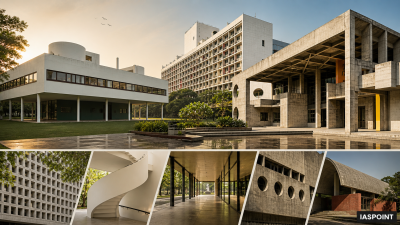
Modernist architecture in India emerged as a break from the colonial past, seeking to define the identity of a newly independent nation. It prioritized functionalism, structural honesty, and...