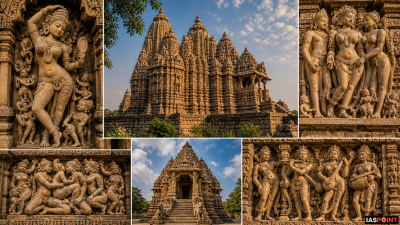
The Chandela dynasty (9th to 13th century CE) ruled the Jejakabhukti region (modern-day Bundelkhand). Their greatest contribution to Indian heritage is the temple complex at Khajuraho, constructed primarily...
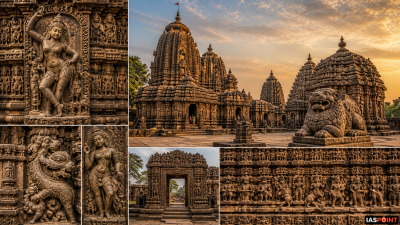
The Kalinga school of architecture and sculpture flourished in ancient Odra (modern Odisha) from the 7th to the 13th century CE. Reaching its zenith under the Bhauma-Kara, Somavamsi,...
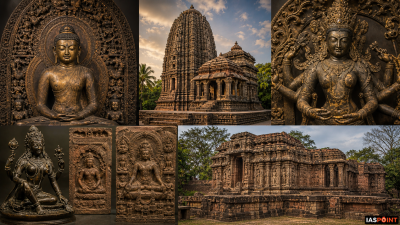
The Pala and Sena dynasties (8th to 12th century CE) represent the final flourish of classical artistic traditions in Eastern India, primarily covering the regions of modern-day Bihar...
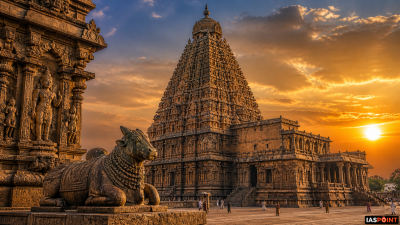
The Chola dynasty (9th to 13th century CE) represents the "Golden Age" of South Indian art and architecture. Under the patronage of monarchs like Rajaraja I and Rajendra...
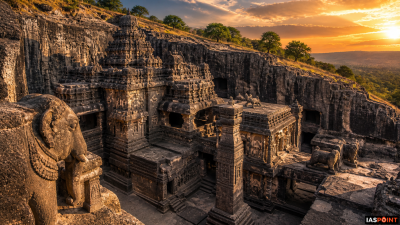
The Rashtrakuta Empire (8th to 10th century CE) represents the zenith of Indian rock-cut architecture. Ruling primarily from Manyakheta, they inherited the artistic traditions of the Early Chalukyas...
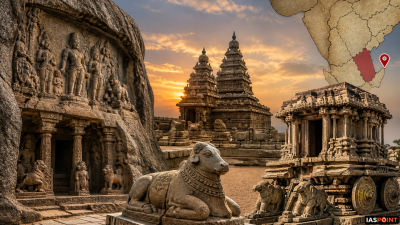
The Pallava dynasty (6th to 9th century CE) marked a transition in South Indian temple architecture from ephemeral materials like wood and clay to permanent stone. This era...
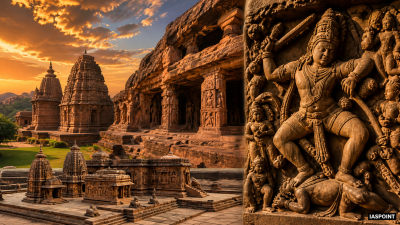
The Early Chalukyas of Badami (6th–8th Century CE) were pioneers in the transition from rock-cut architecture to structural temples in the Deccan. Their sculptural style, concentrated in Badami,...
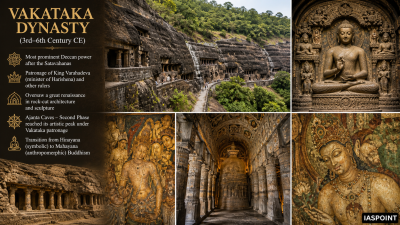
The Vakataka dynasty (3rd–6th century CE) was the most significant power in the Deccan following the Satavahanas. Under the patronage of King Varahadeva (minister of Harishena) and other...
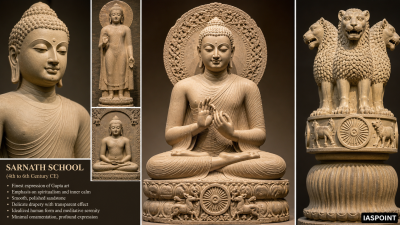
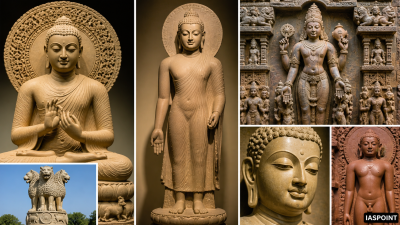
The Sarnath School (4th to 6th Century CE) represents the zenith of the Gupta "Golden Age" in Indian sculpture. Situated near Varanasi, where the Buddha delivered his first...
The Gupta period (4th to 6th century CE) is hailed as the "Golden Age" of Indian sculpture. It represents the culmination of centuries of artistic evolution, where the...