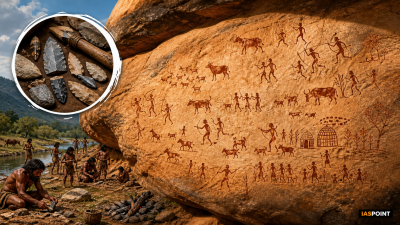
The Mesolithic period (Middle Stone Age), dating approximately from 10,000 BCE to 4,000 BCE, marks a pivotal transition in Indian rock art. Unlike the Upper Paleolithic era, which...
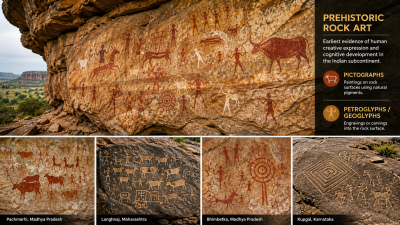
Prehistoric rock art serves as the earliest evidence of human creative expression and cognitive development in the Indian subcontinent. Indian rock art is broadly categorized into two types:...
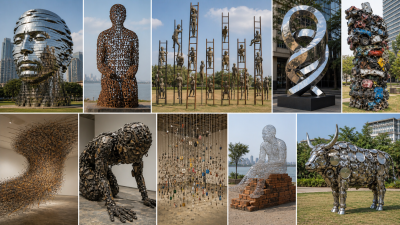
The contemporary phase of Indian sculpture, beginning roughly in the late 1980s and intensifying post-liberalization (1991), represents a departure from the "Modernist" preoccupation with form and material. While...
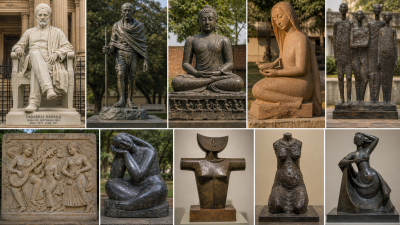
Modern Indian sculpture emerged in the late 19th and early 20th centuries as a reaction against the academic realism imposed by British colonial art schools. This period marked...
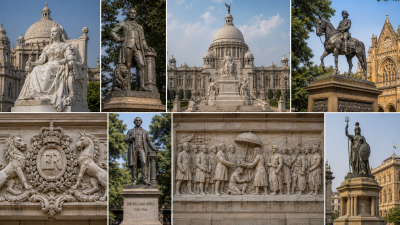
Colonial sculpture in India (approx. 1750–1947) emerged as a tool of political messaging and imperial self-representation. Primarily driven by British interests, it introduced European Neoclassical and Gothic styles...
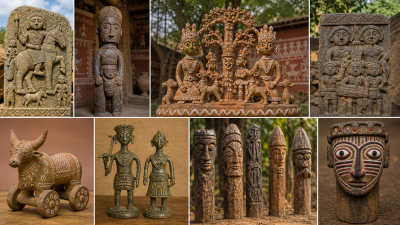
Tribal and Folk sculpture in India represents a continuous, "living tradition" that exists parallel to the classical "Margi" traditions. While classical sculpture follows the Shastras (canonical texts), tribal...
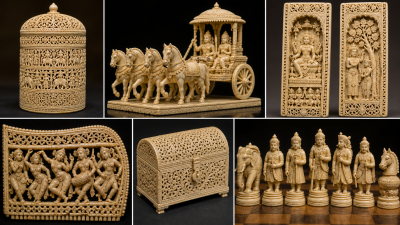
Ivory carving, known as Danta Shilpa, is one of India’s oldest artisanal traditions, dating back to the Harappan Civilization. The craft evolved from utilitarian objects to highly sophisticated...
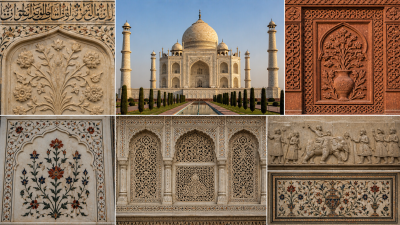
Mughal art is predominantly celebrated for its architecture and miniature paintings; however, sculpture occupied a unique, albeit secondary, niche. Unlike the preceding Sultanate period, which strictly adhered to...
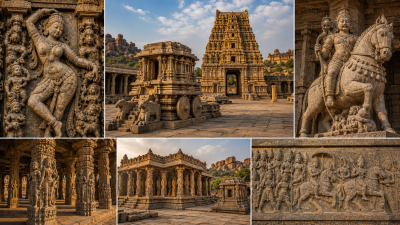
The Vijayanagara Empire (1336–1646 AD) represented a cultural renaissance in South India, synthesizing the sculptural traditions of the Chalukyas, Hoysalas, Pandyas, and Cholas. Under the patronage of dynasties...
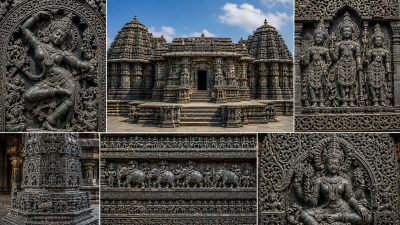
The Hoysala dynasty, ruling the Mysore plateau between the 11th and 14th centuries, fostered a unique sculptural idiom that marked the transition from the Later Chalukyan style to...