
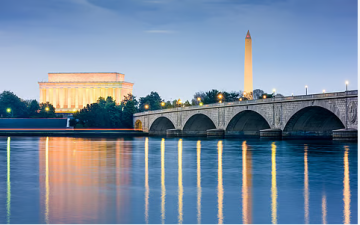
The Potomac River, which flows through Washington, DC and the Mid-Atlantic region, has been named America’s most endangered river for 2026 by American Rivers. The conservation group cited sewage spills, ageing wastewater pipes, rising bacterial pollution and the rapid expansion of data centres as major threats to the river and its watershed.
Why the Potomac Was Chosen
American Rivers selects endangered rivers based on three main factors – a major decision that the public can influence, the river’s importance to people and nature, and the scale of the threat. The Potomac met these criteria because it is vital for drinking water, recreation and fisheries, while facing serious infrastructure and development pressures.
Importance of the Potomac Basin
The Potomac basin supports more than 6 million people across Maryland, Virginia, West Virginia, Pennsylvania and Washington, DC. The river is the primary source of drinking water for the US capital and several nearby towns and cities. It also supports trout fisheries in its headwaters and major commercial fisheries for oysters, blue crabs and striped bass in the Chesapeake Bay region.
Key Environmental Threats
- A major wastewater pipe failure in January caused one of the largest sewage spills in US history, releasing 200 to 300 million gallons of untreated sewage.
- Bacteria levels near the spill site rose to more than 4,000 times the safe recreational limit.
- Many wastewater pipes in the region are over 50 years old and nearing the end of service life.
- Rapid data centre growth in northern Virginia and parts of Maryland is increasing pressure on water quality and water supply.
Policy Response and Wider List
American Rivers has urged the US Congress to invest in water infrastructure and called on state leaders to impose safeguards on data centres and assess their cumulative impact on water resources. The 2026 list also includes the San Joaquin, Boundary Waters, Lumber, Rogue, Chilkat, Nissequogue, Dan, Amargosa and Suwannee rivers.
Last Modified: April 27, 2026