
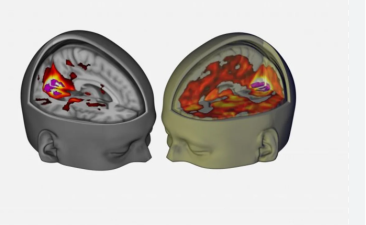
The latest research on psychedelics is shedding light on how the brain maintains the feeling of being a distinct self. Studies using DMT, ayahuasca and meditation-based experiments suggest that the sense of me is not fixed, but actively organised by brain networks that can temporarily loosen under certain conditions. The findings are relevant to neuroscience, psychology, and the study of death anxiety and impermanence.
DMT Study and Brain Activity
An international laboratory study involving 27 volunteers examined the effects of N,N-Dimethyltryptamine, or DMT, a fast-acting psychedelic compound. Researchers used electroencephalography to record brain activity during the experience.
- Alpha waves, which support inward focus and self-related processing, weakened during the DMT state.
- As this rhythm lost coordination, participants reported a reduced sense of a separate self.
- The results suggest that the brain’s self-model depends on organised neural activity that can temporarily shift.
Selfhood as a Dynamic Process
Neuroscientists describe the waking brain as balancing structure and flexibility. This state is often called criticality. Under DMT, the balance shifted towards less coordinated activity.
- The study indicates that self-experience is maintained by multiple brain processes.
- Experts note that altering self-organisation is not the same as erasing identity.
- The findings support the idea that the self is layered, including bodily awareness, lived experience and personal narrative.
Ayahuasca, Death Anxiety and Impermanence
A separate study compared long-term ayahuasca users with people who had never used psychedelics. The ayahuasca group showed lower death anxiety and less avoidance of mortality-related thoughts.
- The key factor was not religion or personality.
- Researchers linked the effect to acceptance of impermanence.
- This suggests a more flexible emotional response to uncertainty, loss and change.
Meditation and Mortality Defence
A 2025 brain-imaging study also found that experienced meditators responded differently to death-related words. Their brains showed less automatic suppression of mortality cues than those of meditation-naïve participants.
- Meditation appeared to reduce defensive filtering of death-related information.
- The brain processed mortality cues more directly.
- Together, these studies indicate that the self is dynamic and can be reshaped through experience or training.