
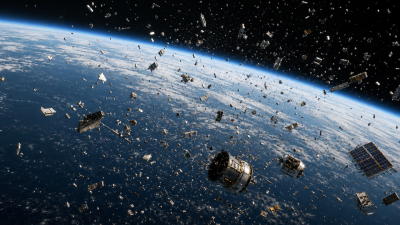
On 19 June 2026 Cosmoserve Space presented a space debris initiative to Indian and French leaders in Paris, proposing commercial and policy measures for debris removal.
Global Policy and Programmes
- UN Initiatives: On 19 June 2026 the UN launched Space4Industry and Space4Resilience to apply satellite data for economic development, climate risk management and disaster preparedness.
- ESA Commitments: ESA reiterated a Zero Debris approach (10 June 2026) and its Council (347th meeting, 16–17 June 2026) advanced governance and programme decisions.
- ISOS Declaration: Ten European nations signed the ISOS Declaration (16 June 2026) to develop infrastructure for orbital debris removal.
- French Sovereign Data: France activated a sovereign space debris radar data service for CNES (10 June 2026).
Industry Actions & Market
- Market size: Debris-removal market valued at ~USD 1.2 billion in 2025; projected USD 2–3 billion by early 2030s, led by tracking and SSA services.
- Commercial DRAAS: Portal Space Systems and Paladin Space plan Debris Removal as a Service from 2027 to remove multiple objects under 1 metre per mission.
- Operator mitigation: SpaceX is lowering thousands of Starlink satellites from ~550 km to ~480 km to reduce orbital lifetime and collision risk.
Technical & Legal Facts
- Definition: Space debris = non-functional human-made objects in orbit (spent stages, fragments, defunct satellites).
- Size classes: >10 cm trackable; 1–10 cm hazardous but harder to track; <1 cm numerous and still damaging.
- Orbital lifetime: Lower altitude increases atmospheric drag and reduces orbital lifetime.
- Governance instruments: COPUOS Long-Term Sustainability guidelines and IADC mitigation measures inform national practice; Liability and Registration Conventions apply.
- Risk trend: ESA Space Environment Report (7 Apr 2026) recorded a 20% rise in LEO collision risk since 2024.
IASPOINT Booster Facts
- LEO extent: Low Earth Orbit generally up to ~2,000 km.
- Surveillance threshold: Space surveillance networks routinely track objects ~5–10 cm and larger in LEO.
- Liability regime: 1972 Liability Convention holds launching states absolutely liable for damage on Earth and liable for fault in space.